〈Slow Pace : Taiwan-Korea Images〉Come for a Coffee in a Time Capsule
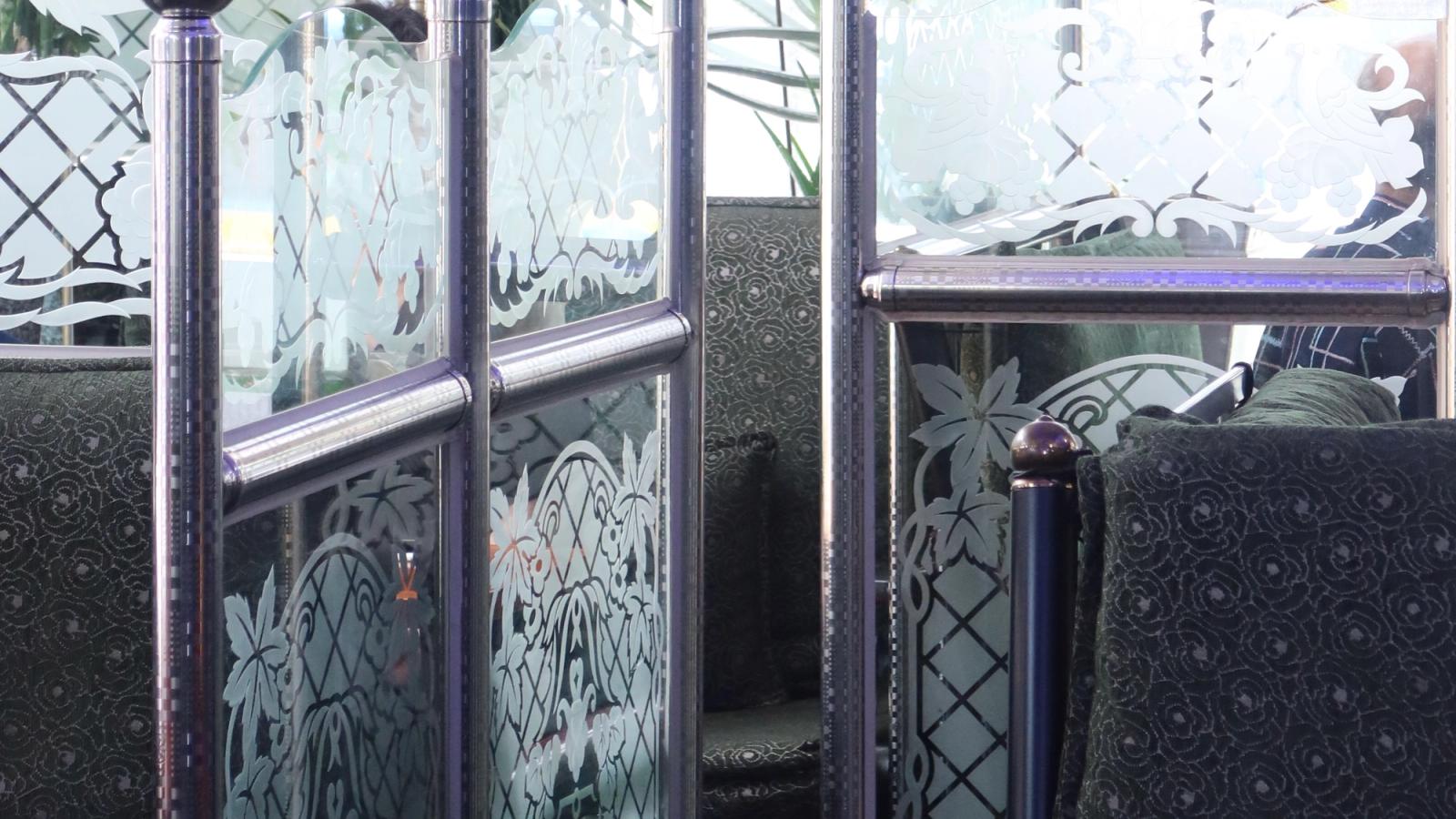
Lately, I have begun to appreciate the beauty of things that bear the marks of time. There is nothing wrong with something dazzling enough to catch the eye, but I am more drawn to modest things that make no effort to stand out: things that have quietly remained in the same place for years, still themselves. Cafés are no exception. New openings and new menus are all very well, but I would rather make time for the old cafés of Korea and Taiwan. Even without an elaborate menu, I seem to find another kind of beauty in the space itself, or in the people who run it.
In Korea, I visited Plaza Coffee Shop near Seoul’s Namdaemun Market. It is what we call a dabang (다방), an old-style Korean coffeehouse where people meet for business or to socialize. In Taiwan, I went to You Jia You Coffee (友加友咖啡店), near the Love River in Kaohsiung. I happened upon it during a morning walk; it is an old café full of Taiwanese nostalgia. Rather than the menus and tasting notes that are easy enough to find elsewhere, I wanted to share the stories held within these spaces and the little exchanges I had with their owners.
Before we begin, may I ask one thing? Take your time with the photographs as well as the words. Read slowly, then look for the little details tucked into the pictures. If you spot anything I missed, please tell me! My social media inbox is always open. These photographs are filled with warmth from Korea and Taiwan. Shall we take a look?
📸 A café in Korea: Plaza Coffee Shop (프라자 커피숍)
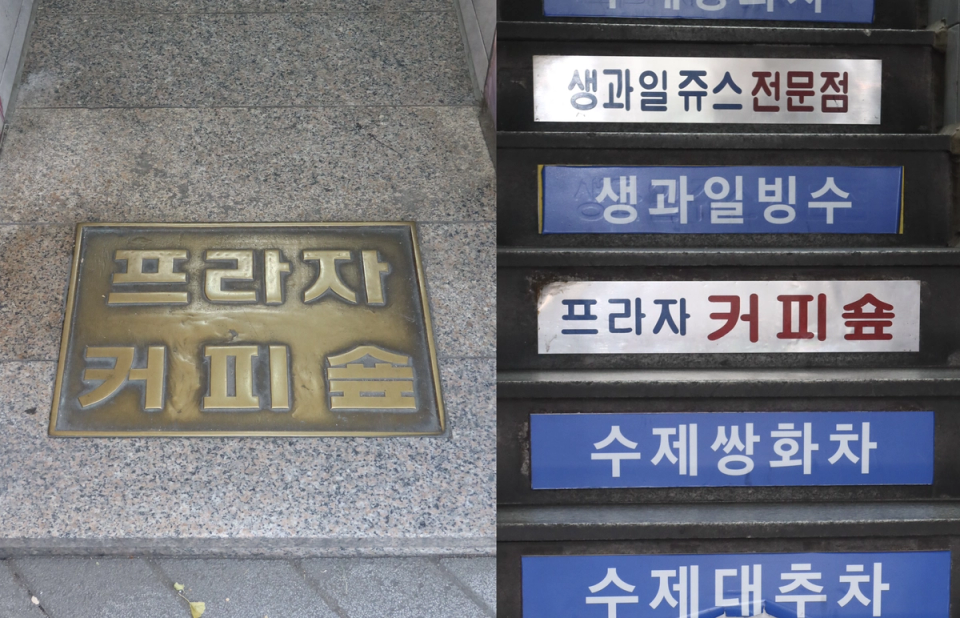
The names of different coffees cover the stair risers in bold lettering, turning the staircase into one enormous menu. Plaza Coffee Shop certainly knows how to make an entrance. The old-fashioned spelling “커피숖,” a Korean rendering of the English “coffee shop,” and the understated typeface both carry a sense of the years gone by.
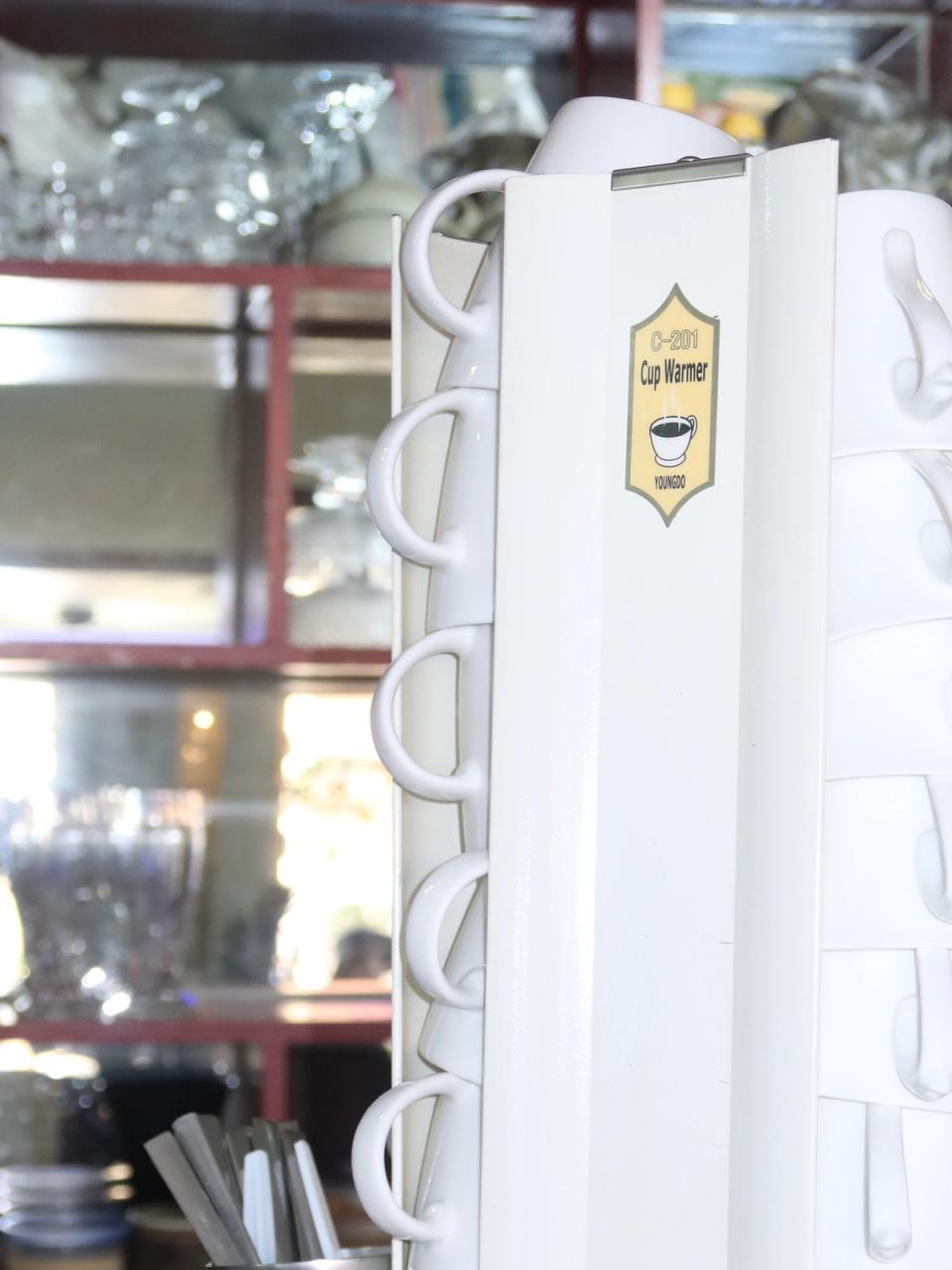
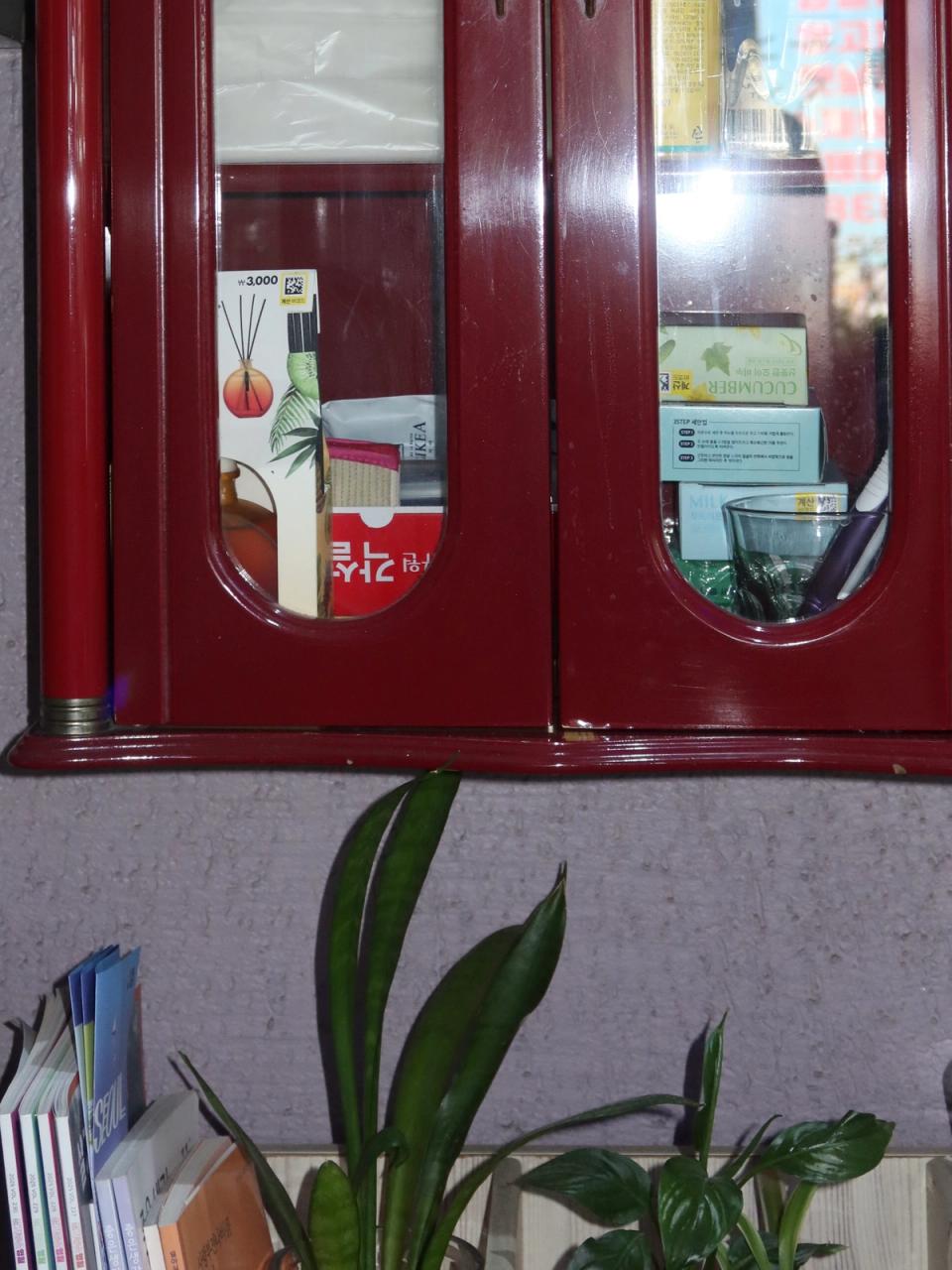
I asked the owner whether I could take photographs inside. He was delighted and showed me around the counter. The machine in the photograph, with its stacks of cups, is a cup warmer. It gently heats the cups. “When your coffee comes in a cup that’s already warm, doesn’t that put you in a good mood?” he asked. No one had asked him about it before, and he was clearly pleased. His voice grew livelier than when we first met, with a warmth to match the coffee cups.
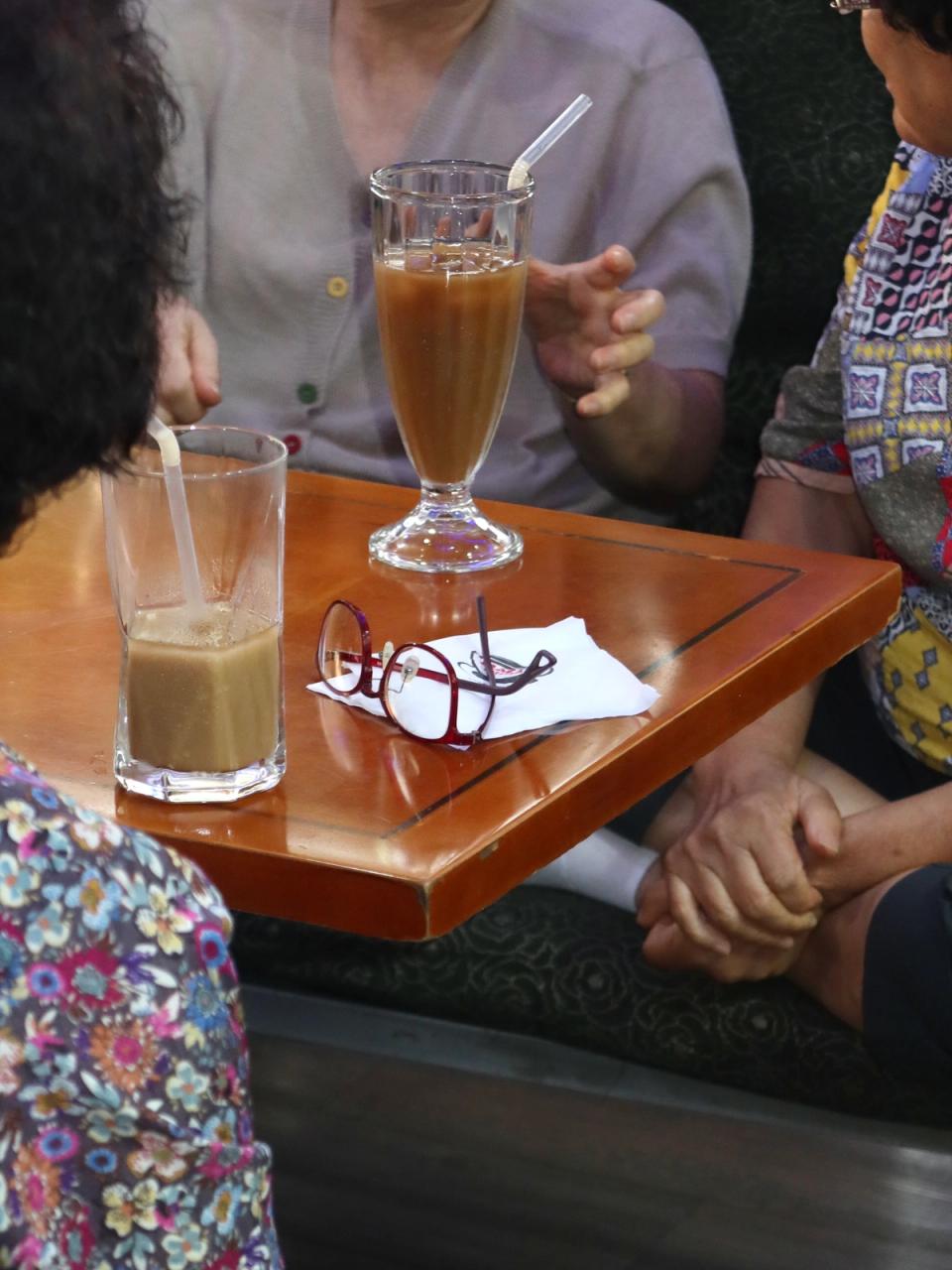
At the next table, each of the older women had a coffee in front of her, and the conversation was in full swing. ‘You know, that really muscular man in The Outlaws … what’s his name again?’ They talked about him for ages without remembering. I was desperate to call out, ‘I know! Ma Dong-seok!’ and casually pull up a chair beside them. It took all my willpower to stay put.
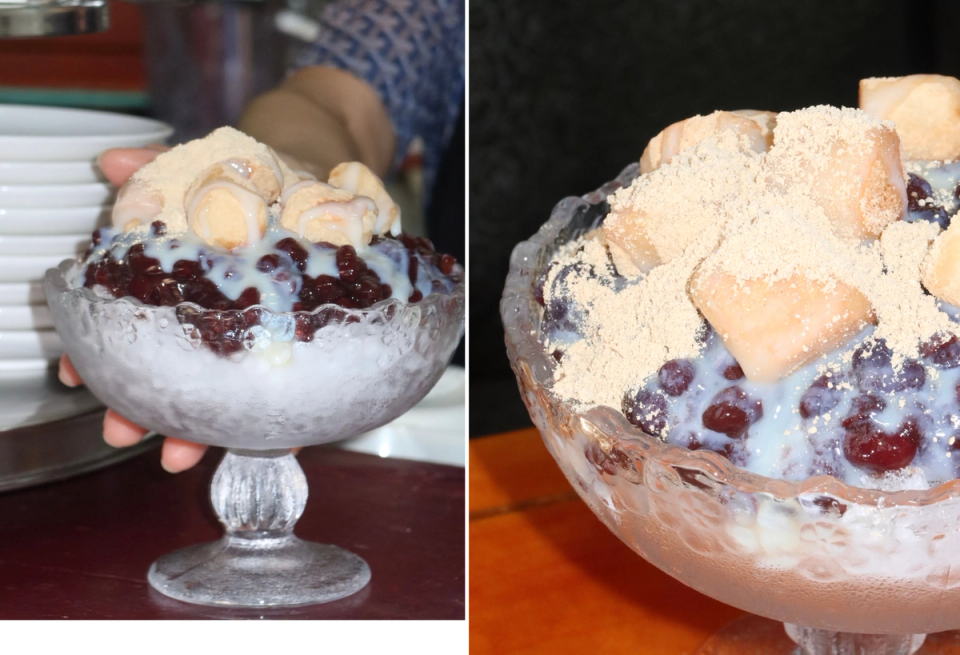
After a long struggle to decide what to eat, I noticed an elderly couple at the next table enjoying this shaved ice. They were not saying much, but they held hands and took turns having a spoonful. Watching the two of them being so sweet together, I wiped away a tear of envy. I might have been there on my own, but I ordered the rice-cake shaved ice too.
This old-fashioned shaved ice comes dusted with fragrant roasted soybean powder, with rice cakes so large that a single piece fills your mouth. The red beans are soft and creamy, and the condensed milk blends beautifully into the ice. It took me back to buying a shaved-ice machine with my mother at the supermarket and making it together at home. Whenever she was not looking, I would squeeze in an enormous amount of condensed milk and make the sweetest shaved ice in the world. That memory gave me a little flutter of happiness all over again.
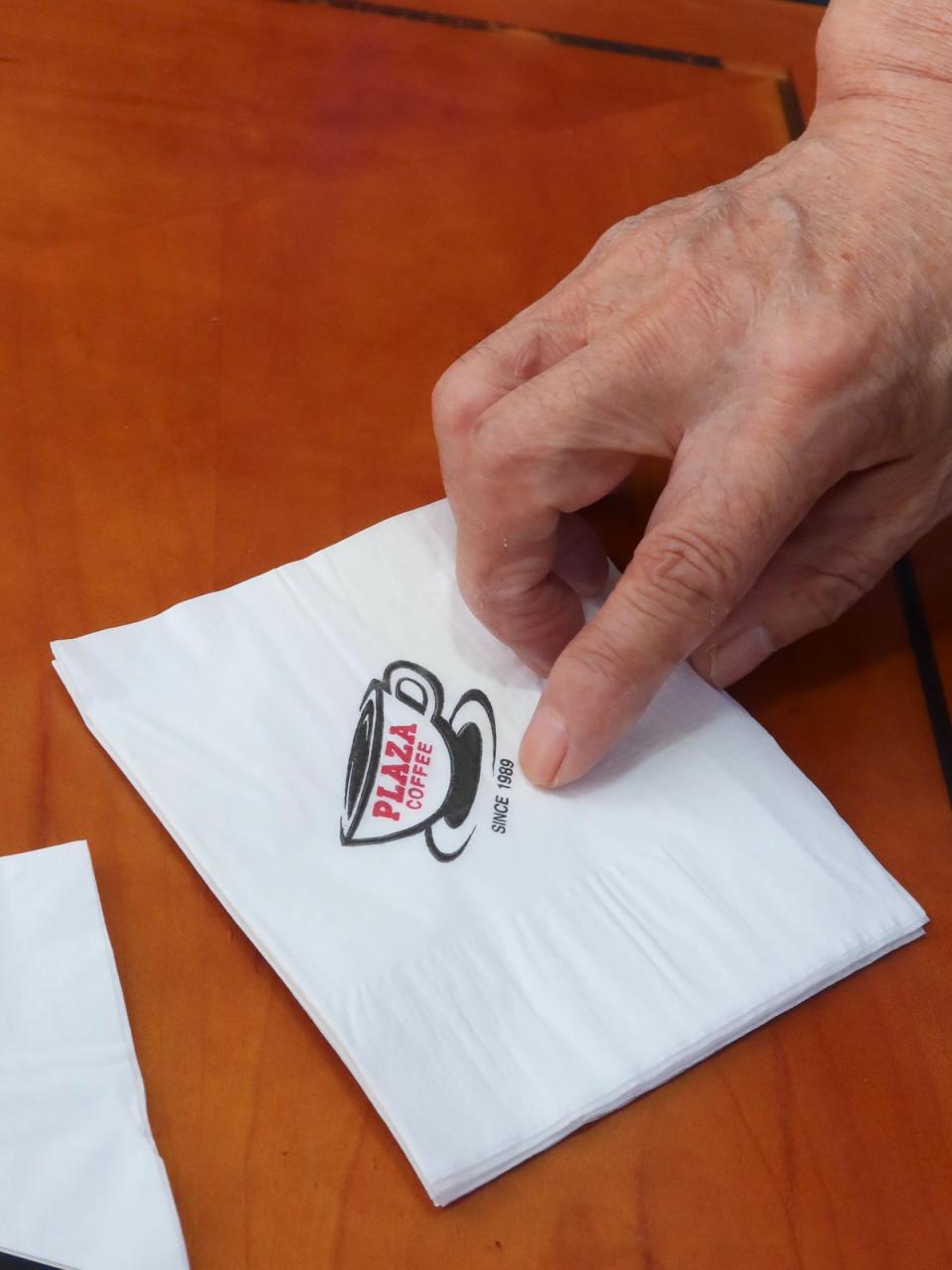
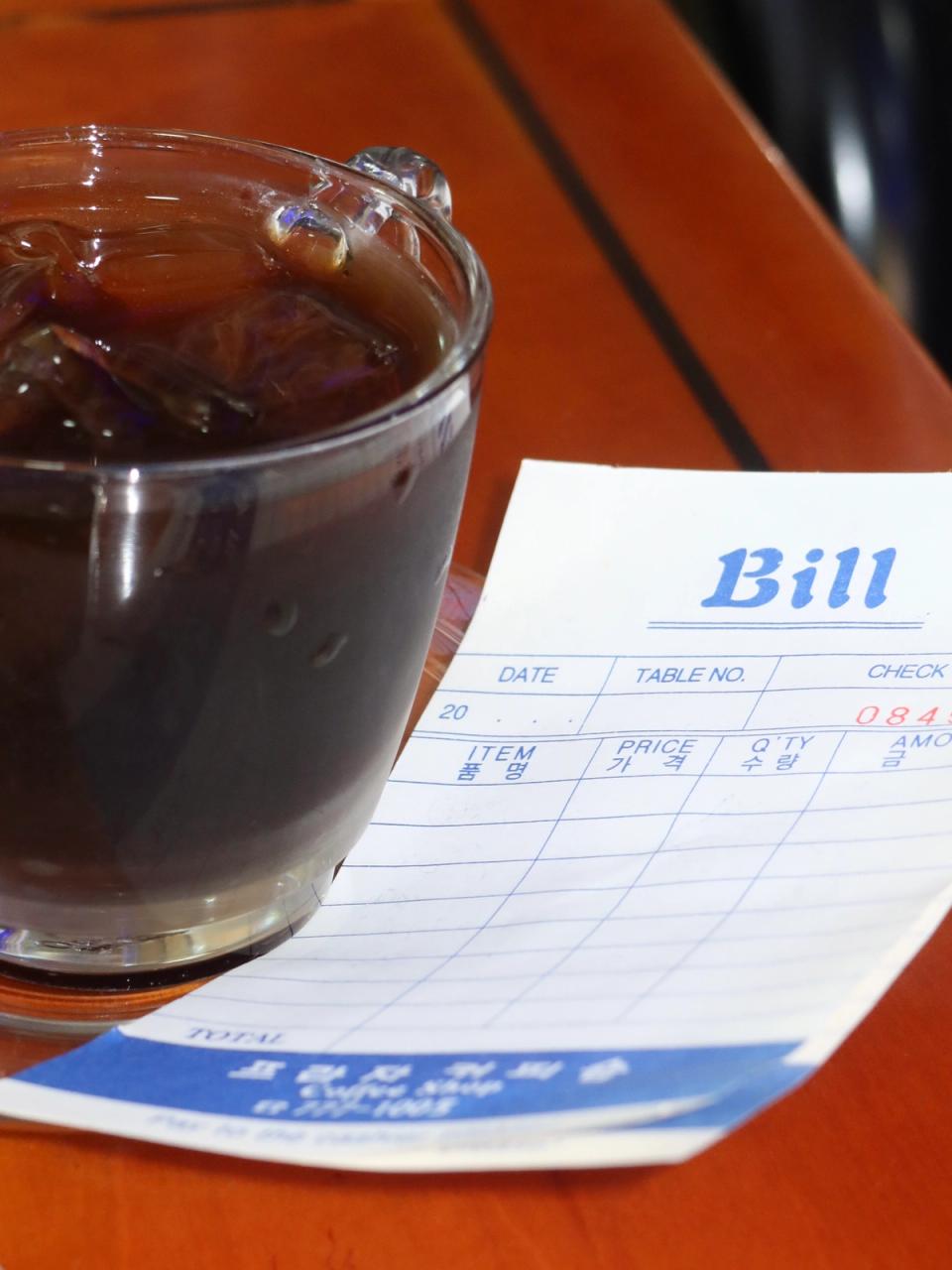
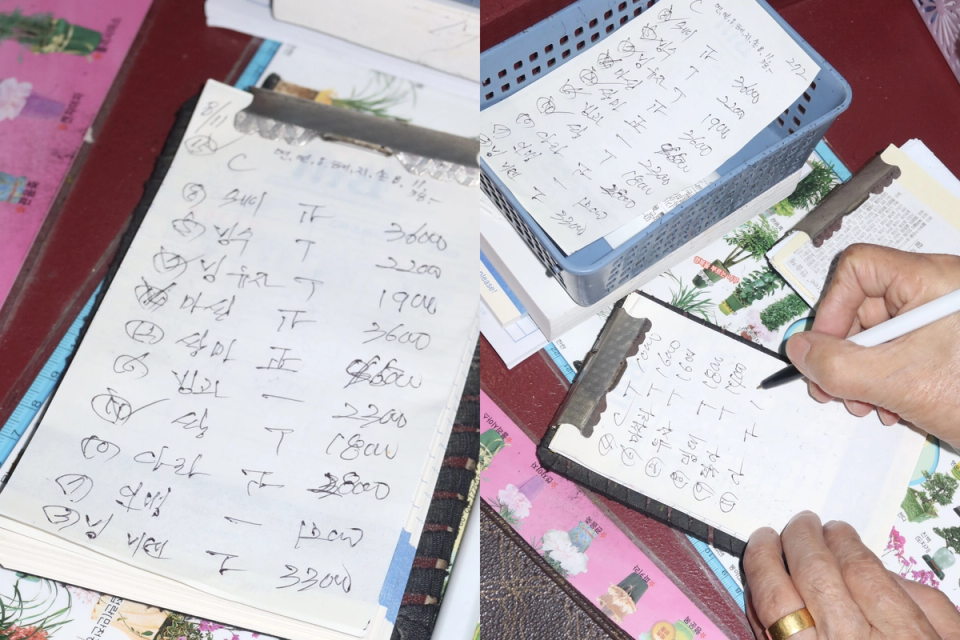
Many shops today use elaborate logos and bold lettering to catch people’s attention. Here, in a café that has seen so many years, I found objects bearing old logos and handwriting instead. Over my coffee and shaved ice, I thought: I would like to be like this café—to keep sharing things with people, year after year, through simple words and photographs.
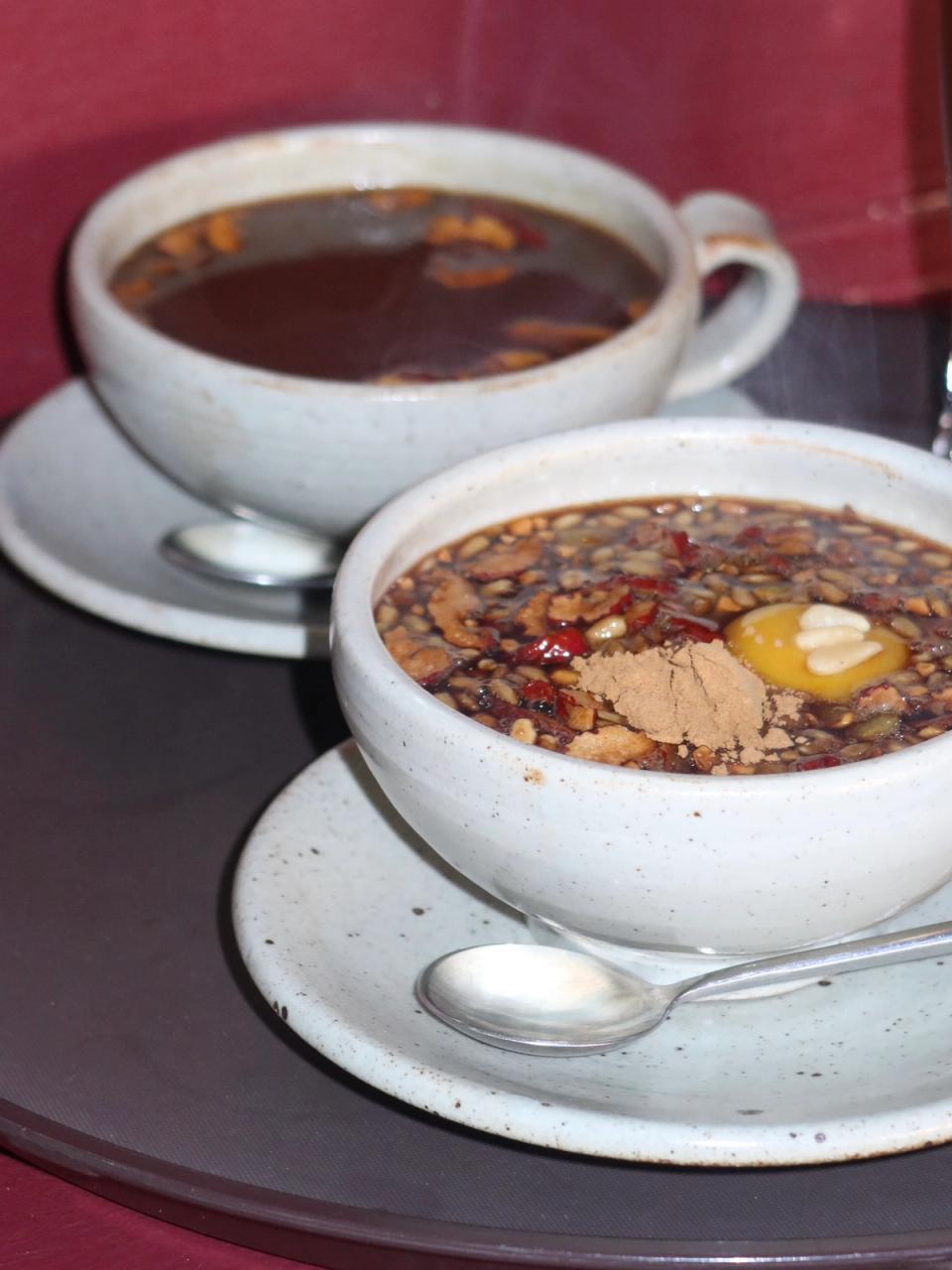
Then the owner brought out a portable gas stove. As the kettle bubbled, the rich scent of traditional Korean herbs filled the café. Two older men had ordered jujube tea and ssanghwa-cha, a traditional herbal drink. Many older people believe ssanghwa-cha helps ease colds and fatigue. Though it is the same color as coffee, it is made by simmering ingredients such as ginger, cinnamon, and jujubes, then served with nuts and an egg yolk as a nourishing drink.
I have not reached that level of life experience yet. To me, ssanghwa-cha still tastes of bitter Korean herbal medicine. Perhaps one day I will understand its appeal too.
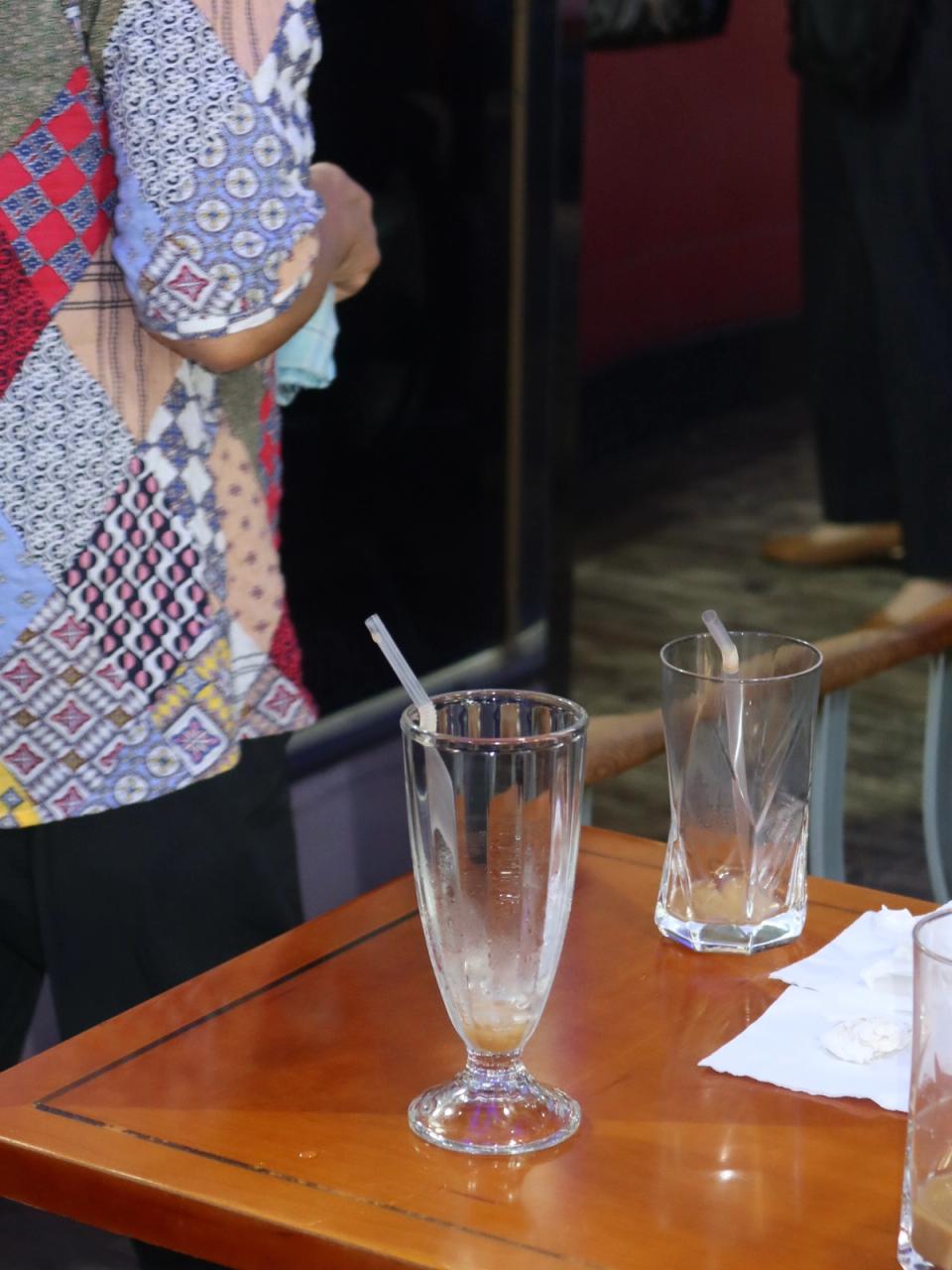
The women who had spent so long discussing Ma Dong-seok had, without my noticing, finished every drop of their coffee. One by one, they gathered their things and headed home. Curly perms, colorful clothes, and bright red phone cases are something of a signature look among Korean grandmothers. This lovely group had all three.
📸 A café in Taiwan: You Jia You Coffee (友加友咖啡店/요우찌아요우카페이띠엔)
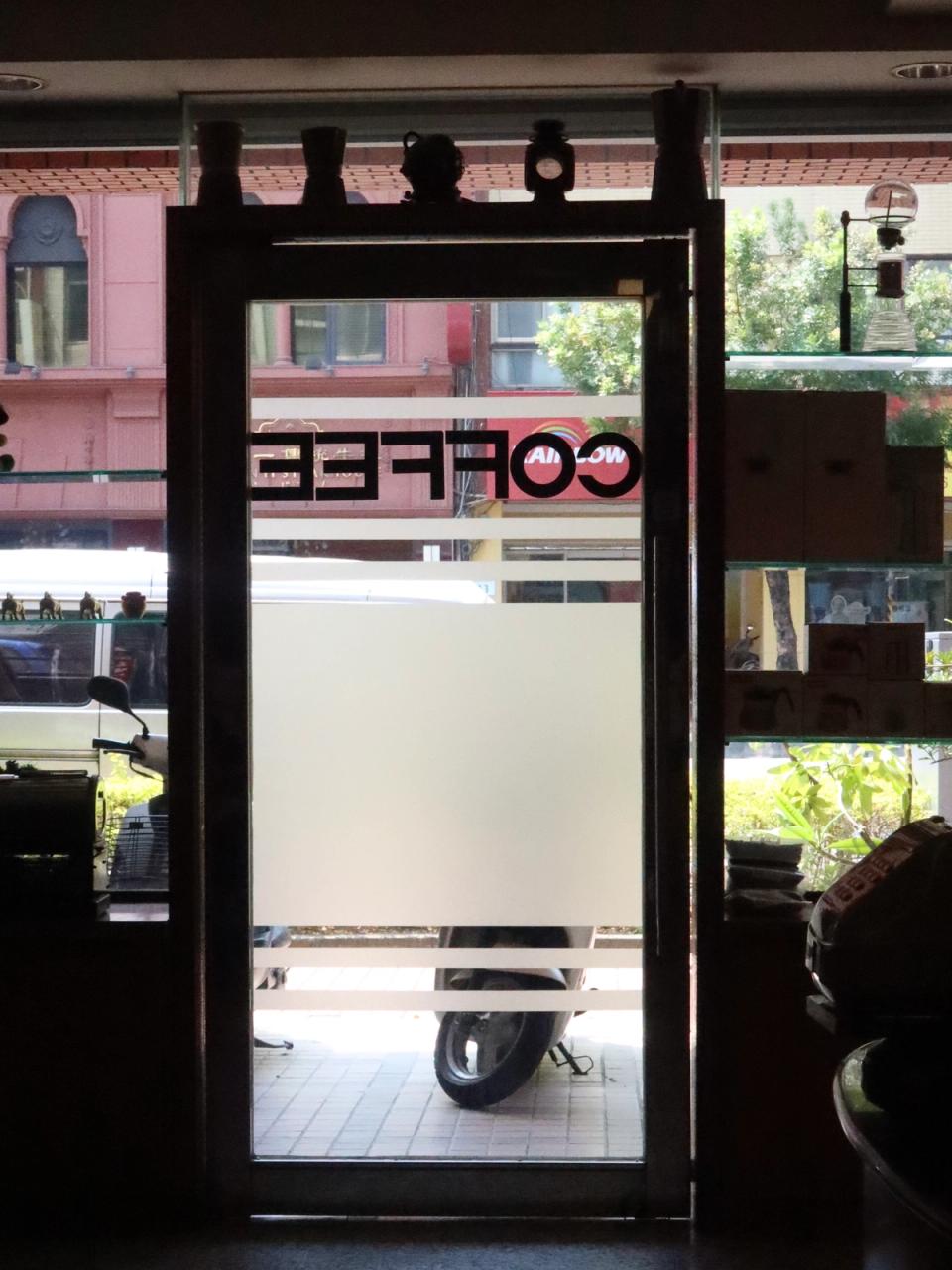
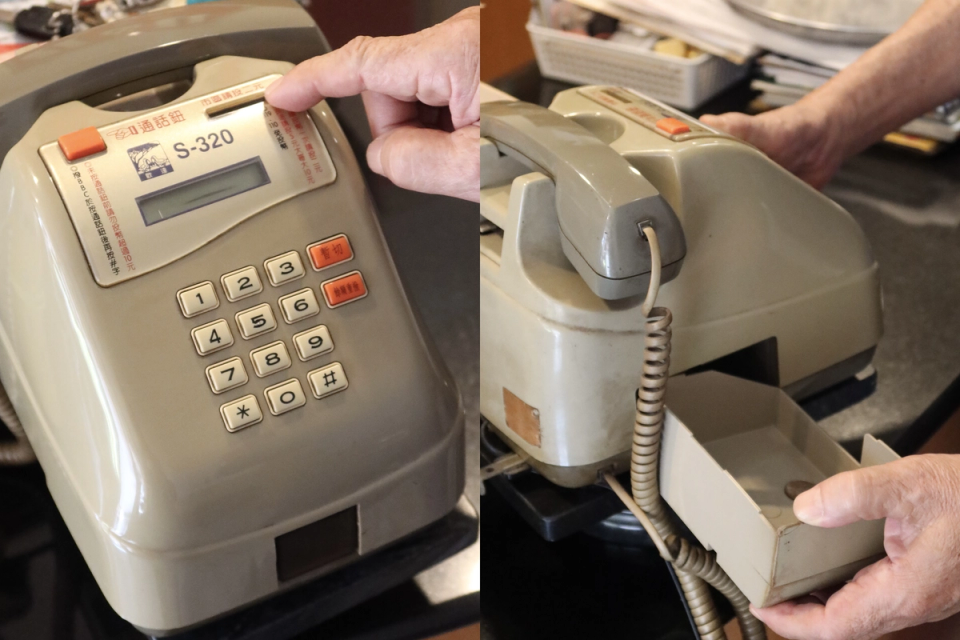
While staying in Kaohsiung, I went for a walk every morning. After all, making time specifically for things I would not do in Korea is the whole point of traveling! Now and then, a small, heartwarming encounter stays with me for a very long time. On one of those morning walks, the rounded ‘COFFEE’ lettering on a glass door caught my eye. Before I knew it, I had opened the door and stepped inside.
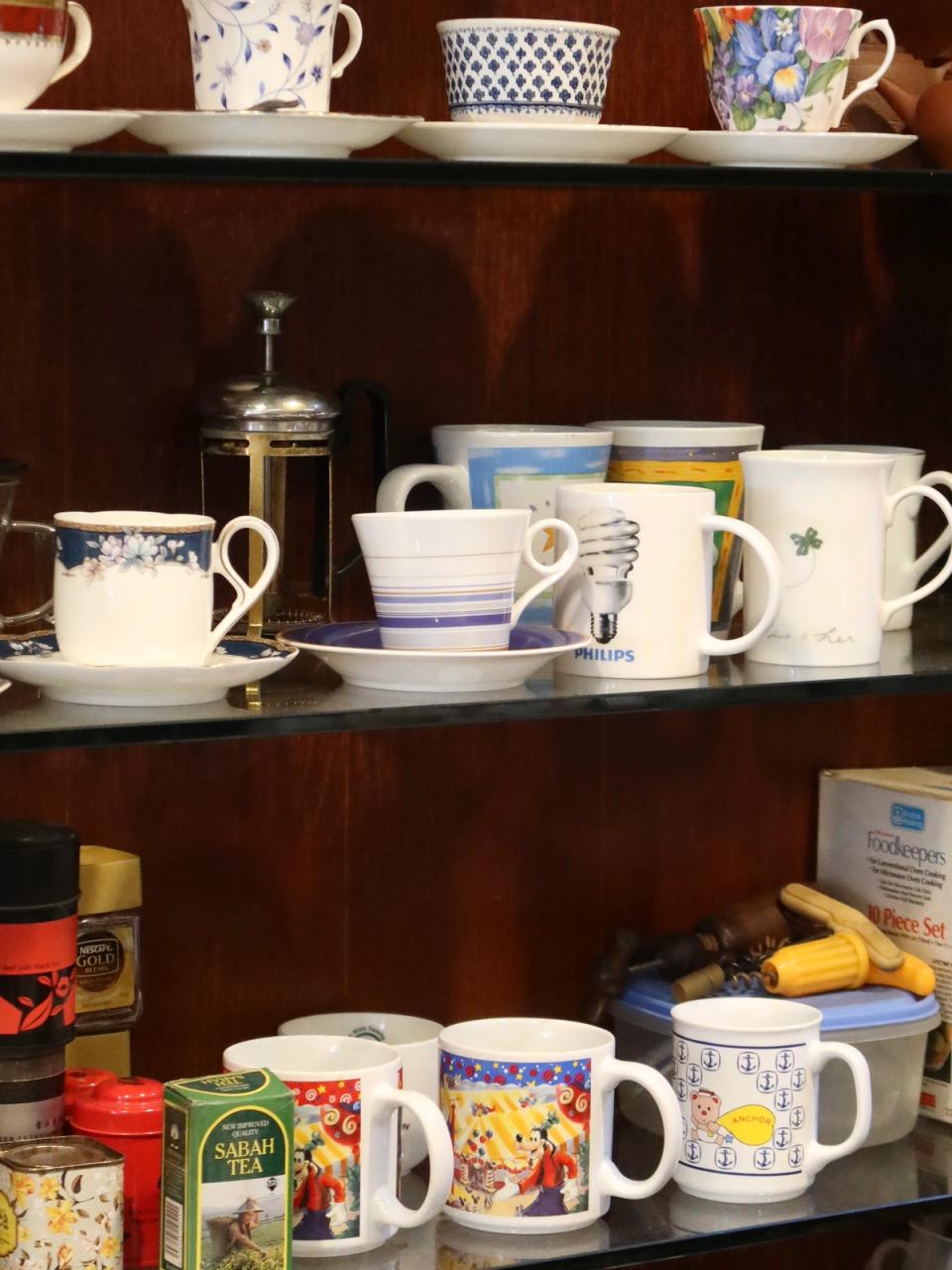
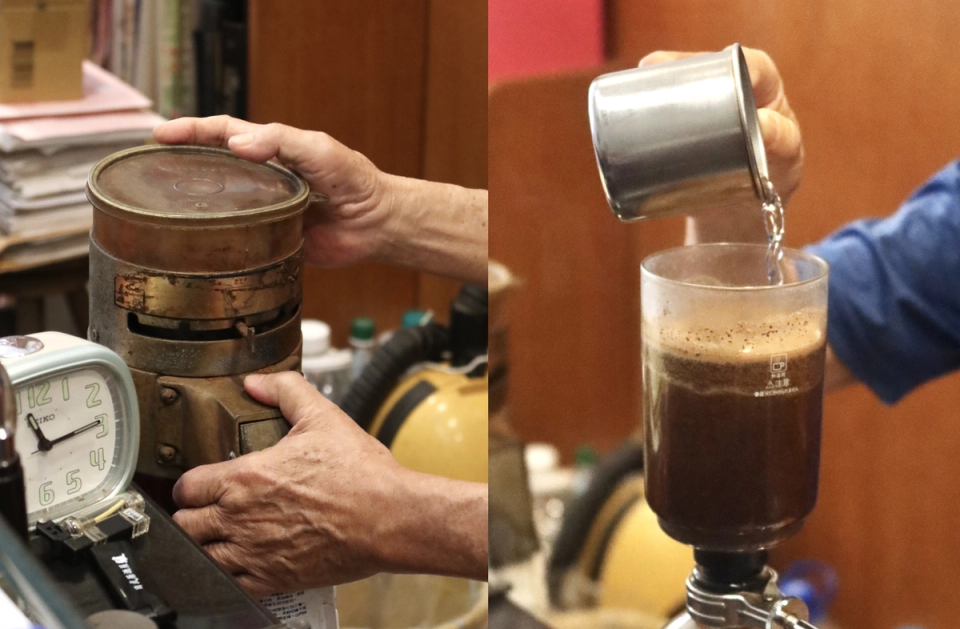
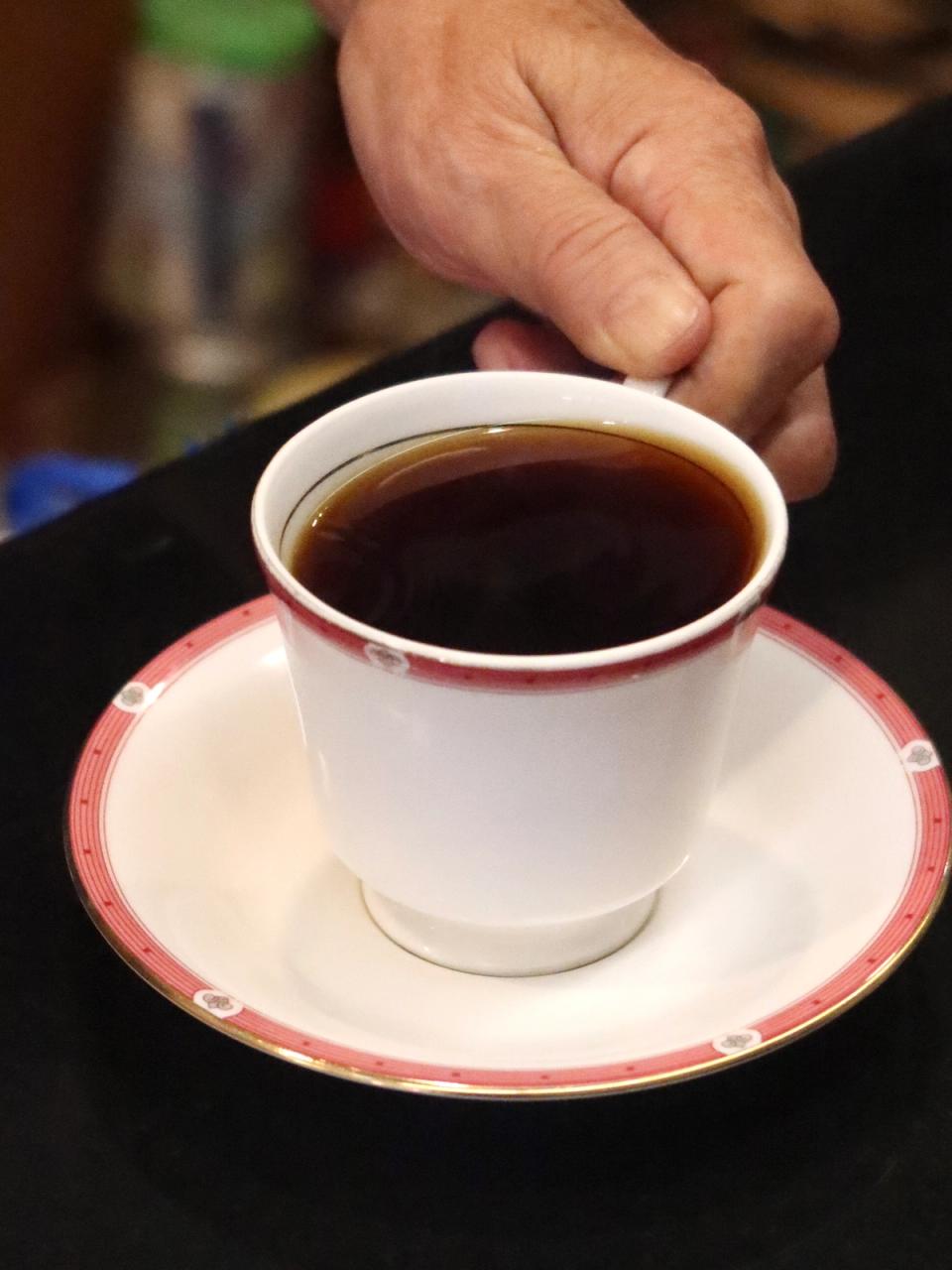
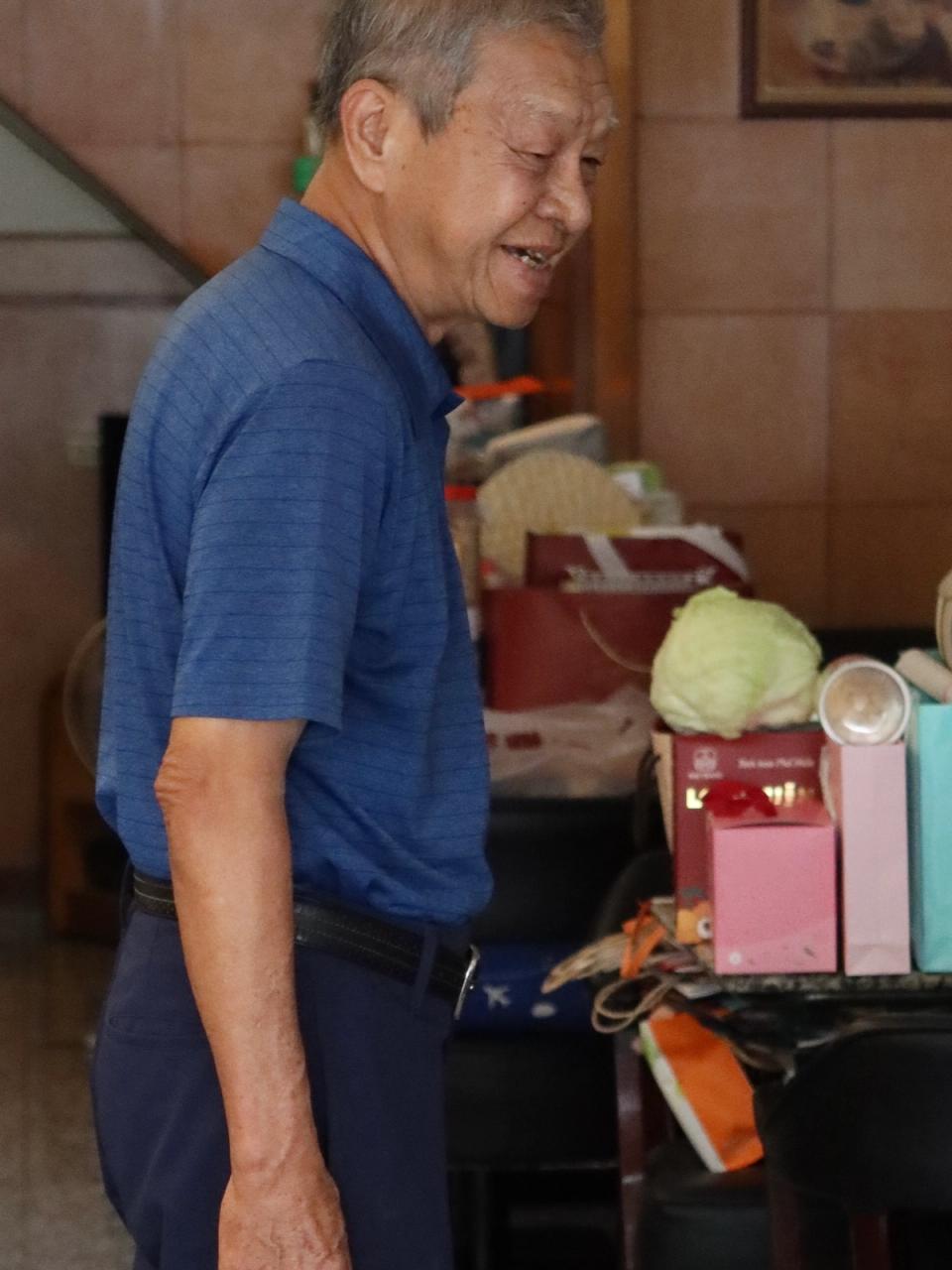
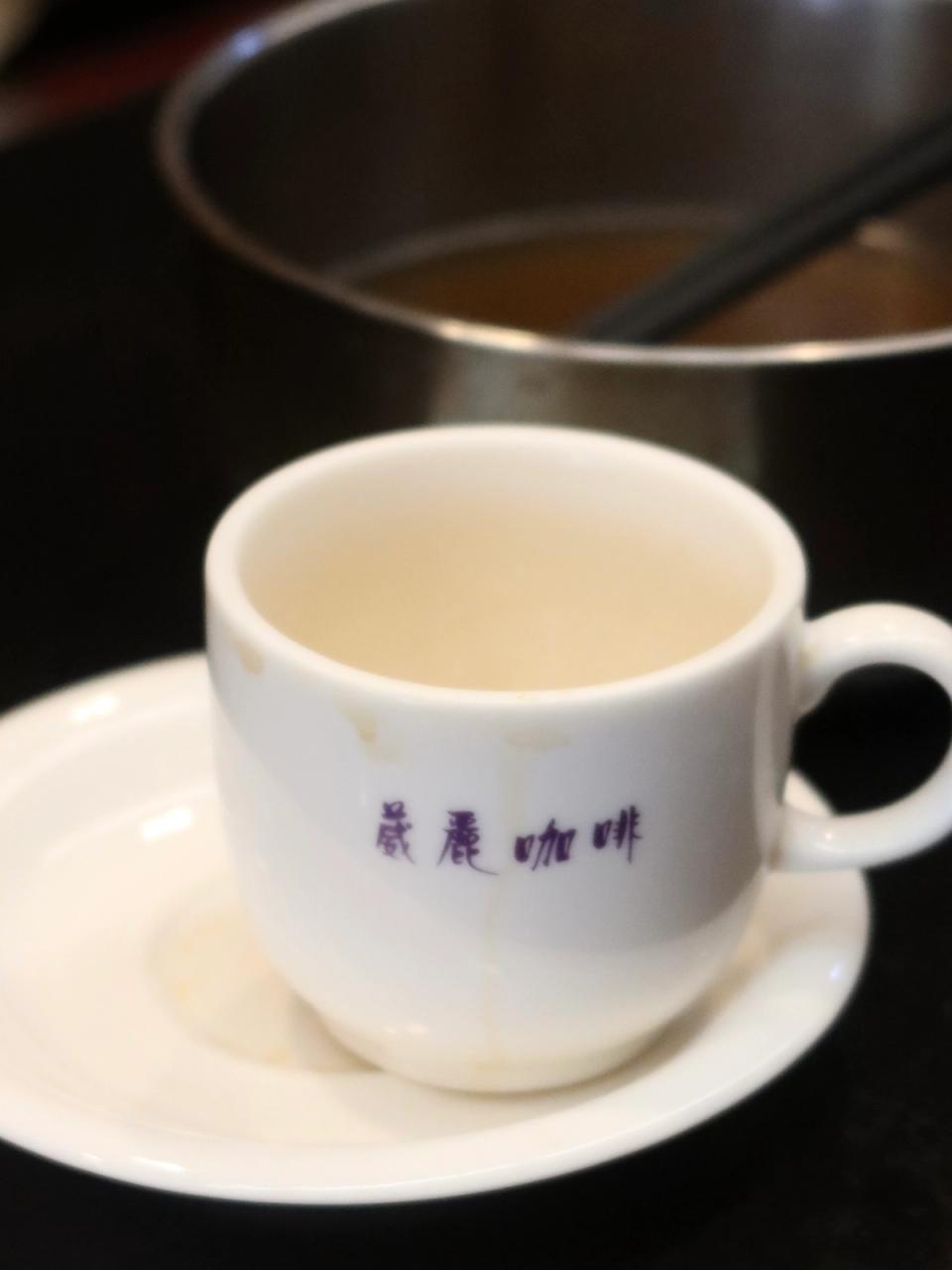
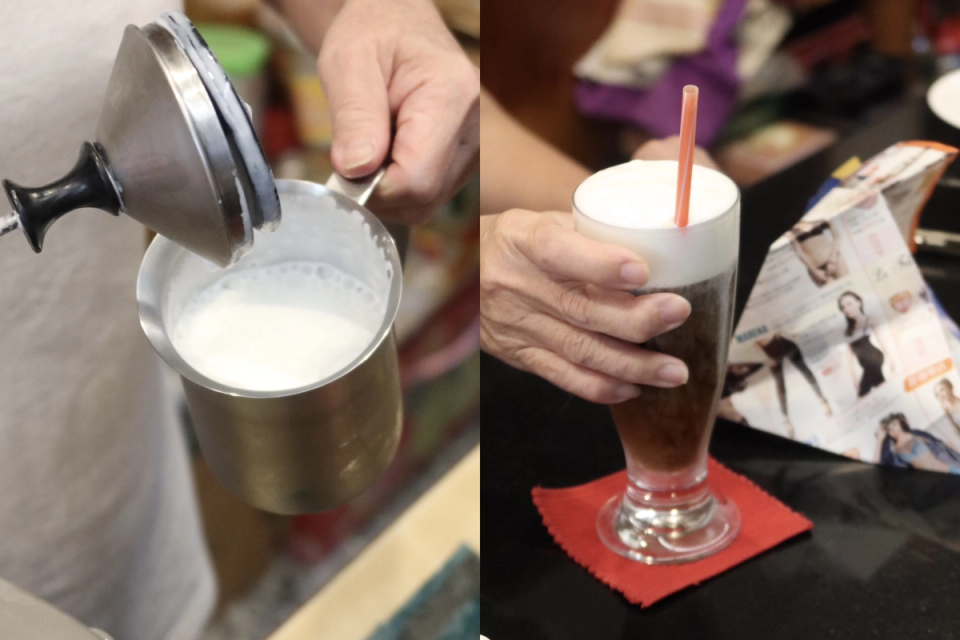
Like Plaza Coffee Shop, this café is run by an older couple. I ordered a hot coffee. The owner ground the beans straight away and brewed them in a siphon coffee maker. I listened to its gentle bubbling as I waited.
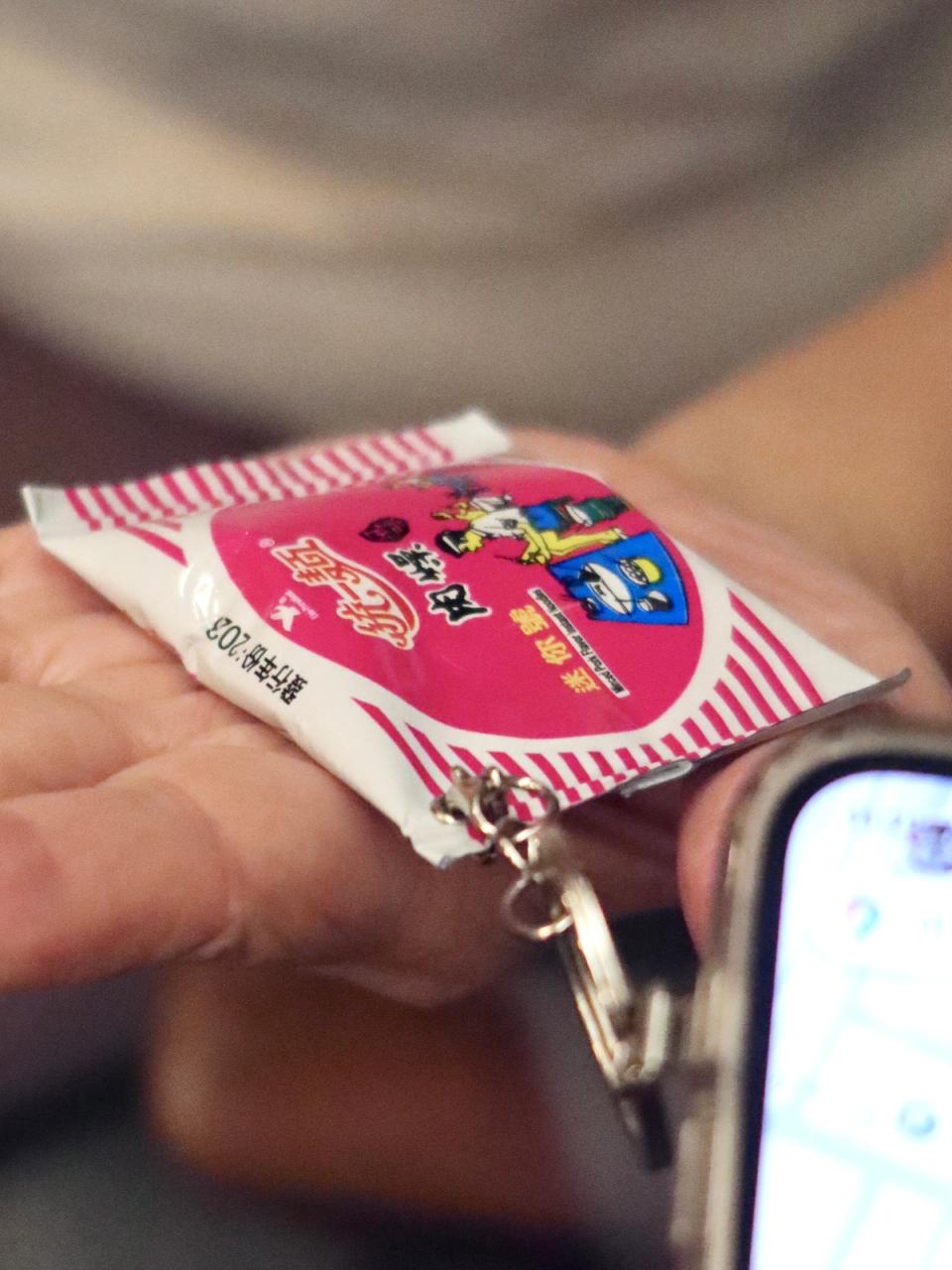
Wanting to chat with him a little more, I gathered my things and quietly moved to a seat at the counter. His wife noticed the Taiwanese instant-noodle-shaped EasyCard, a transit and payment card, hanging from my phone. She thought it was adorable. Turning it over in her hands, she said, ‘So visitors from abroad hang things like this on their phones too!’ Thanks to my noodle EasyCard, I had managed to break the ice with the owners.
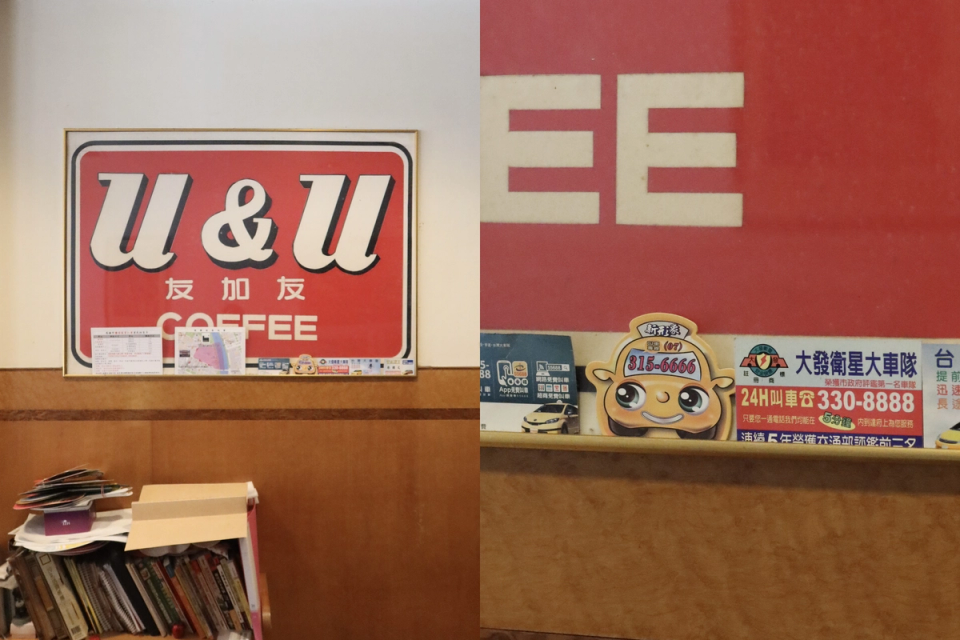
Beneath a red sign on the wall sat a whole row of taxi business cards. Among all those rectangular cards, one showing a big-eyed taxi really stood out. The drive to the airport normally takes an hour, but I had a feeling that taxi could get me there in twenty minutes!
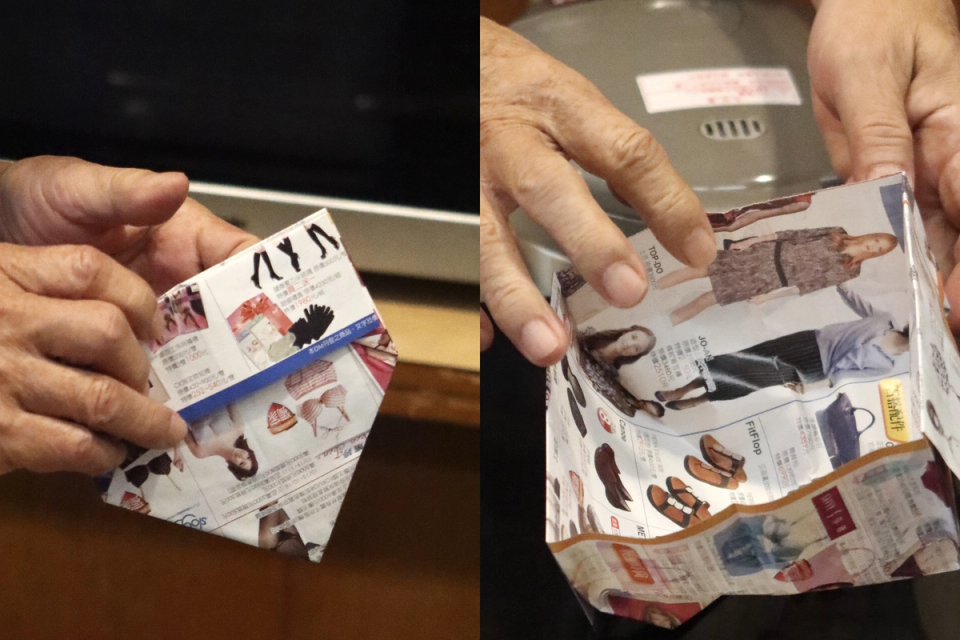
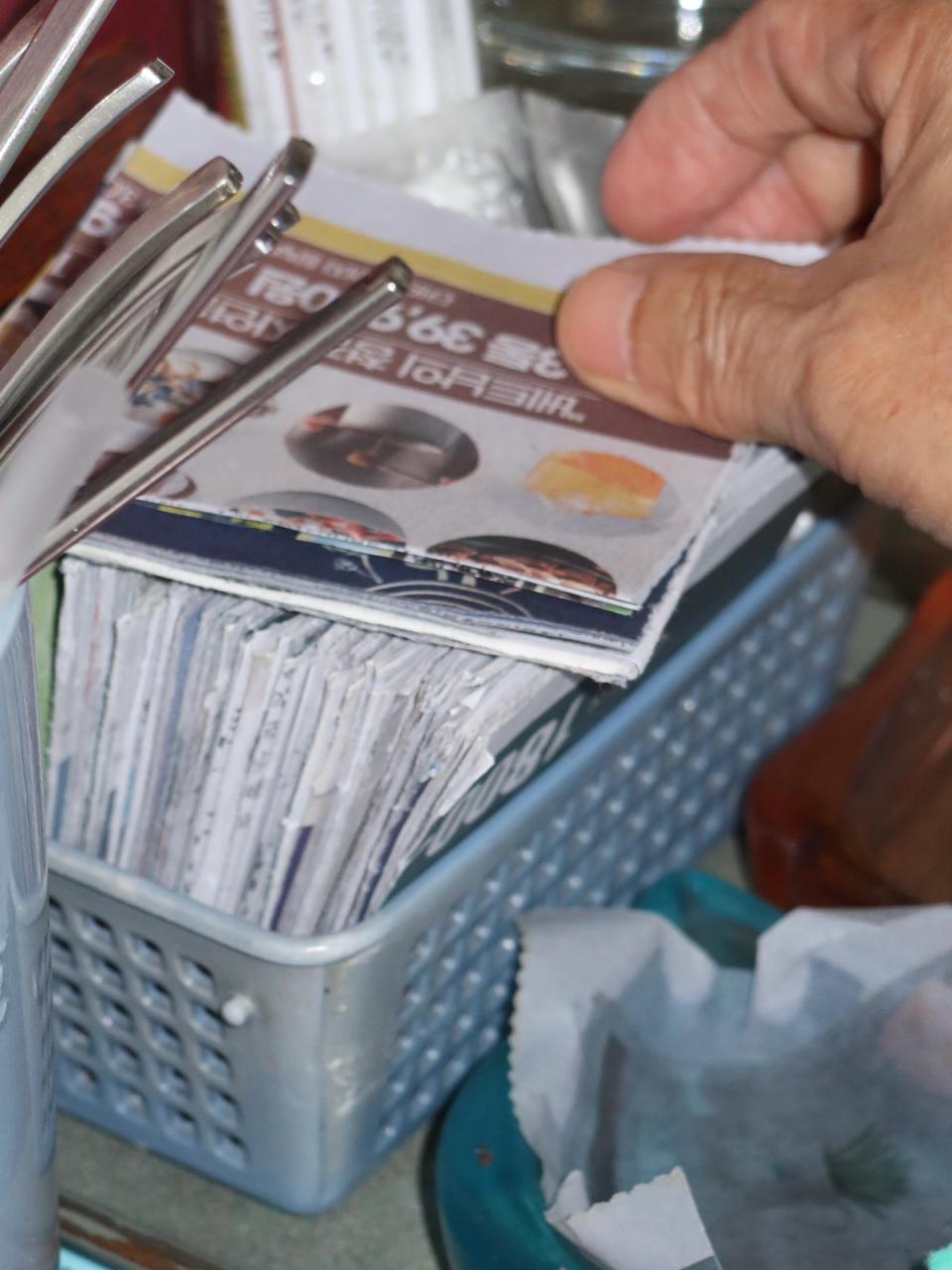
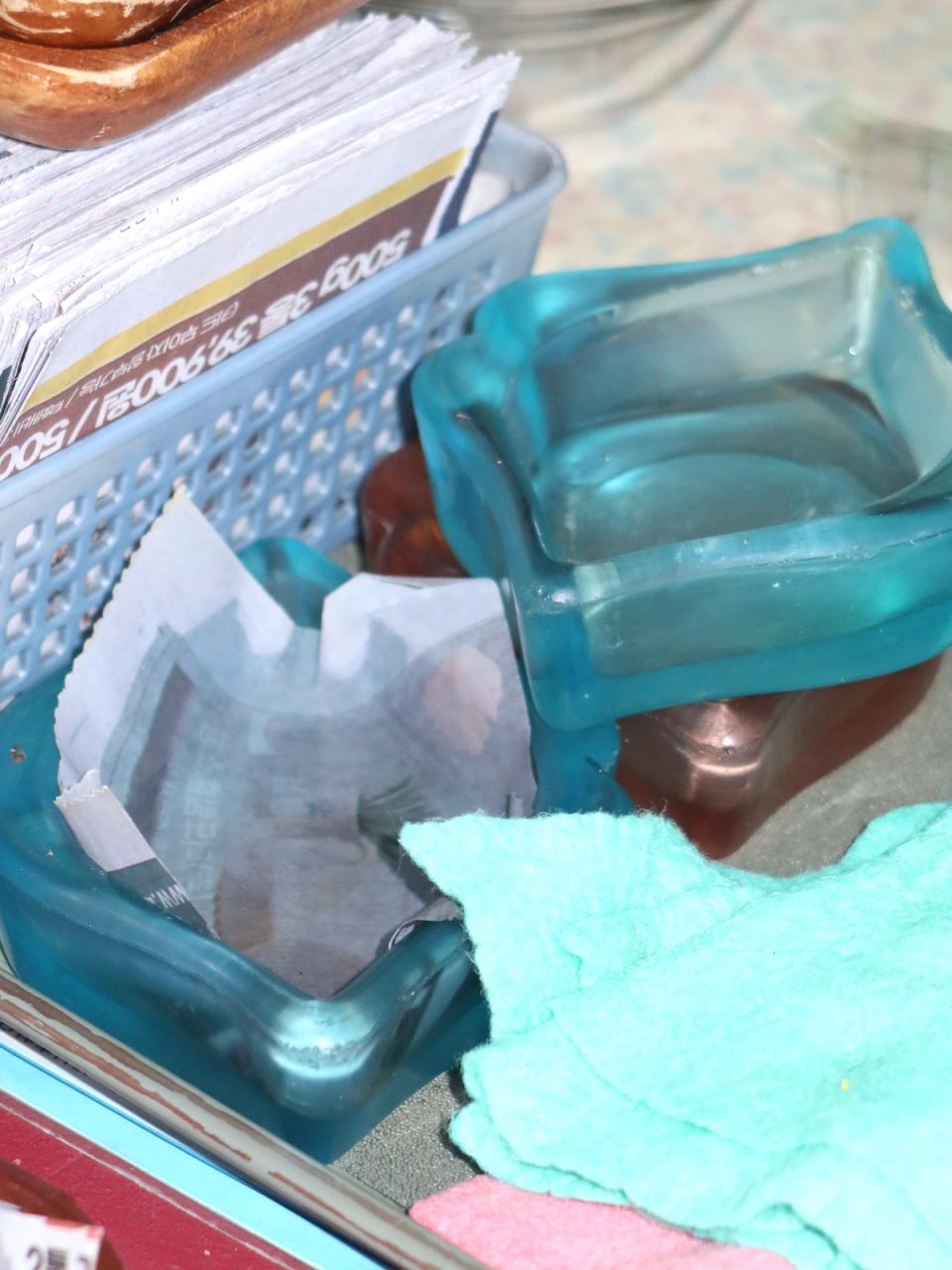
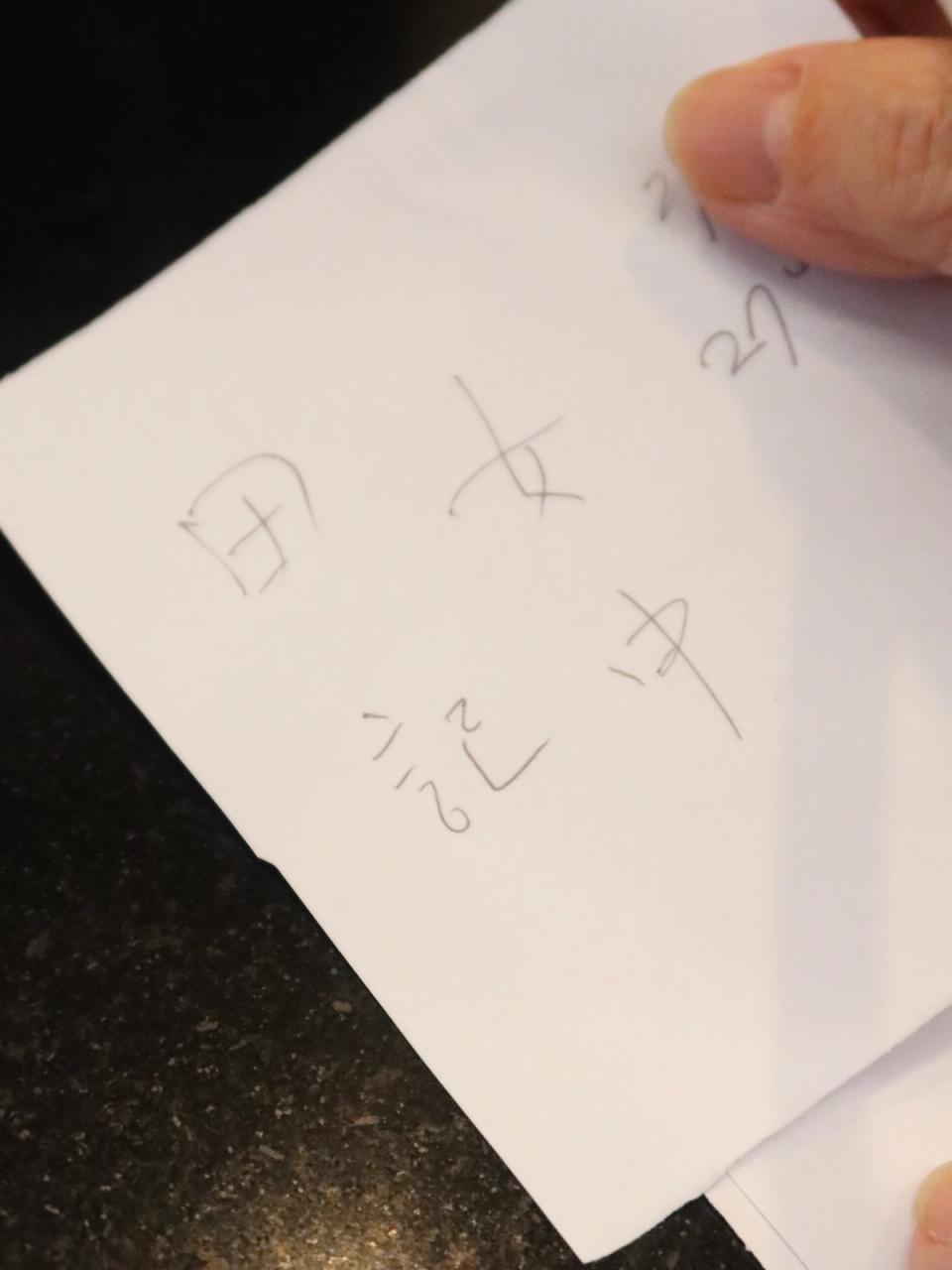
Then I remembered a recent seafood meal with Taiwanese friends. Somehow, one of them had produced just such a box and told me to put my clam shells inside. Apparently, restaurants where shrimp shells, clam shells, and other small scraps pile up often fold these boxes in advance for their customers. Instead of picking up scraps from the table, you simply throw the whole box away. How convenient!
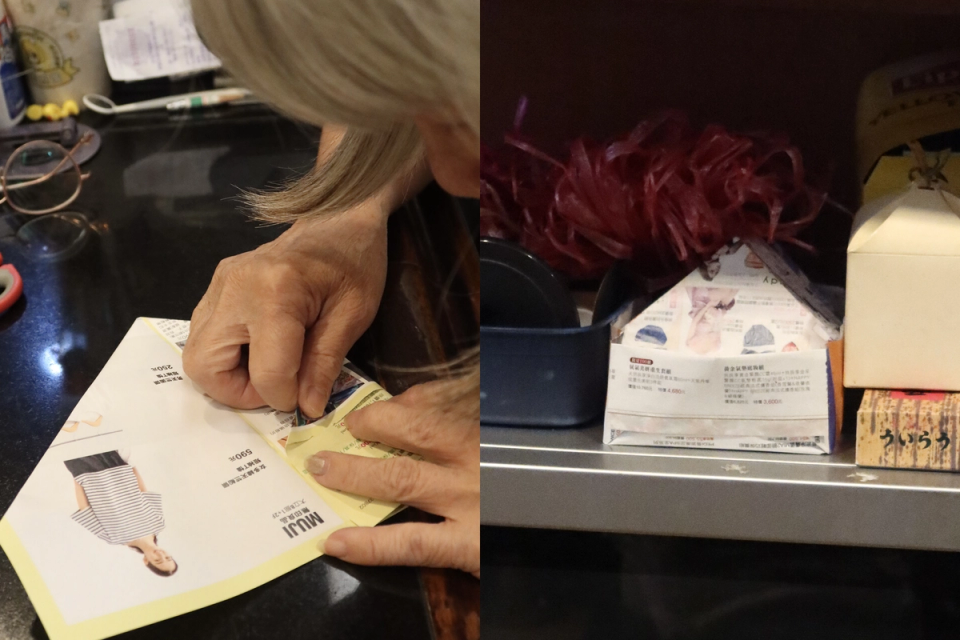
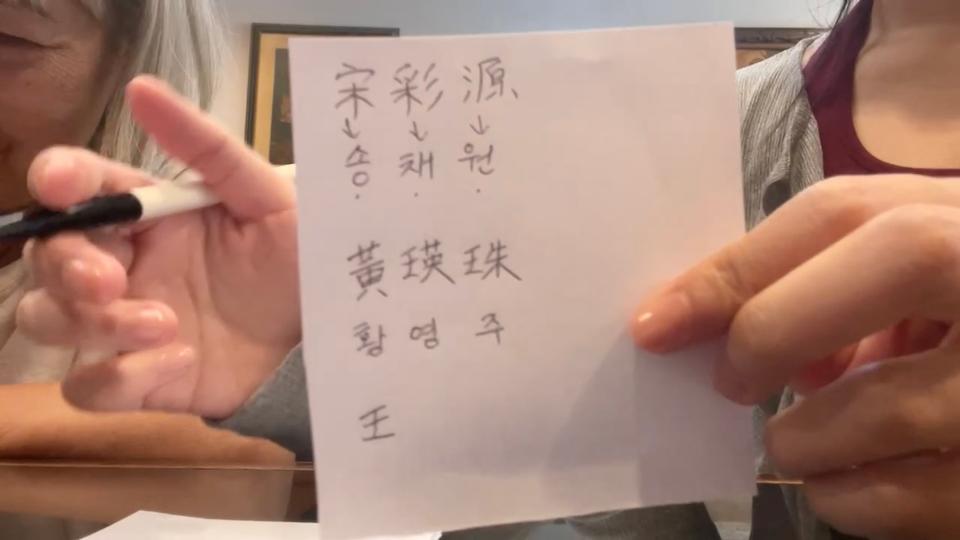
Seeing my astonishment, the owner’s wife came over with a stack of old magazine pages and began teaching me to fold a box. She watched my movements closely, making sure I had caught up before going on to the next step. It was quite the high-pressure origami lesson—well, almost! Once I had finished, her husband cut me another sheet so I could practice from memory. Thanks to their rather rigorous training, I left that day with a new skill: folding paper scrap boxes.
A few final questions
Q1. Why do you think younger Koreans have recently become interested in visiting Korea’s old cafés?
Chain cafés are everywhere now, and it is easy to pick up a coffee or another drink whenever we want. But in older cafés, people’s stories and the time they have spent there seem to stay a little longer. Perhaps feeling the warmth of other people and other generations, and sharing moments from one another’s memories, gives us a special kind of comfort we cannot find anywhere else.
Q2. What surprised you most about visiting an old café in Kaohsiung?
I had expected nothing more than an old café. Instead, I felt the very real warmth of people who had cared for the same space for years. For the time I spent there, I felt as though I too had briefly stepped into the slow current of their days.

Digital Creator.Song Caiii
Born in Busan, South Korea, Song Caiii studied Chinese at university. In 2023, she began an Instagram account introducing Taiwanese culture, inspiring many Korean travelers to visit; she has also published a Taiwan travel book. After hearing ‘能不能和我留在台北(陪我幾天)’—roughly, ‘Could You Stay with Me in Taipei (for a Few Days)’—in Kaohsiung, she decided that icyball was her favorite band. Whenever she visits Taiwan, she deliberately avoids the busiest attractions and takes photographs with an old digital camera. Her favorite images feature Taiwanese people and the warmth they share. More recently, her photographs of ‘Taiwan through a Korean’s eyes’ on Instagram and Threads have quickly won over more than 60,000 followers in Korea and Taiwan. Instagram & Threads: @songcaiii