Miss Tanghulu’s Gospel: Curves and Wrinkles Are Beautiful—No Toxic Men, No Falling Too Hard
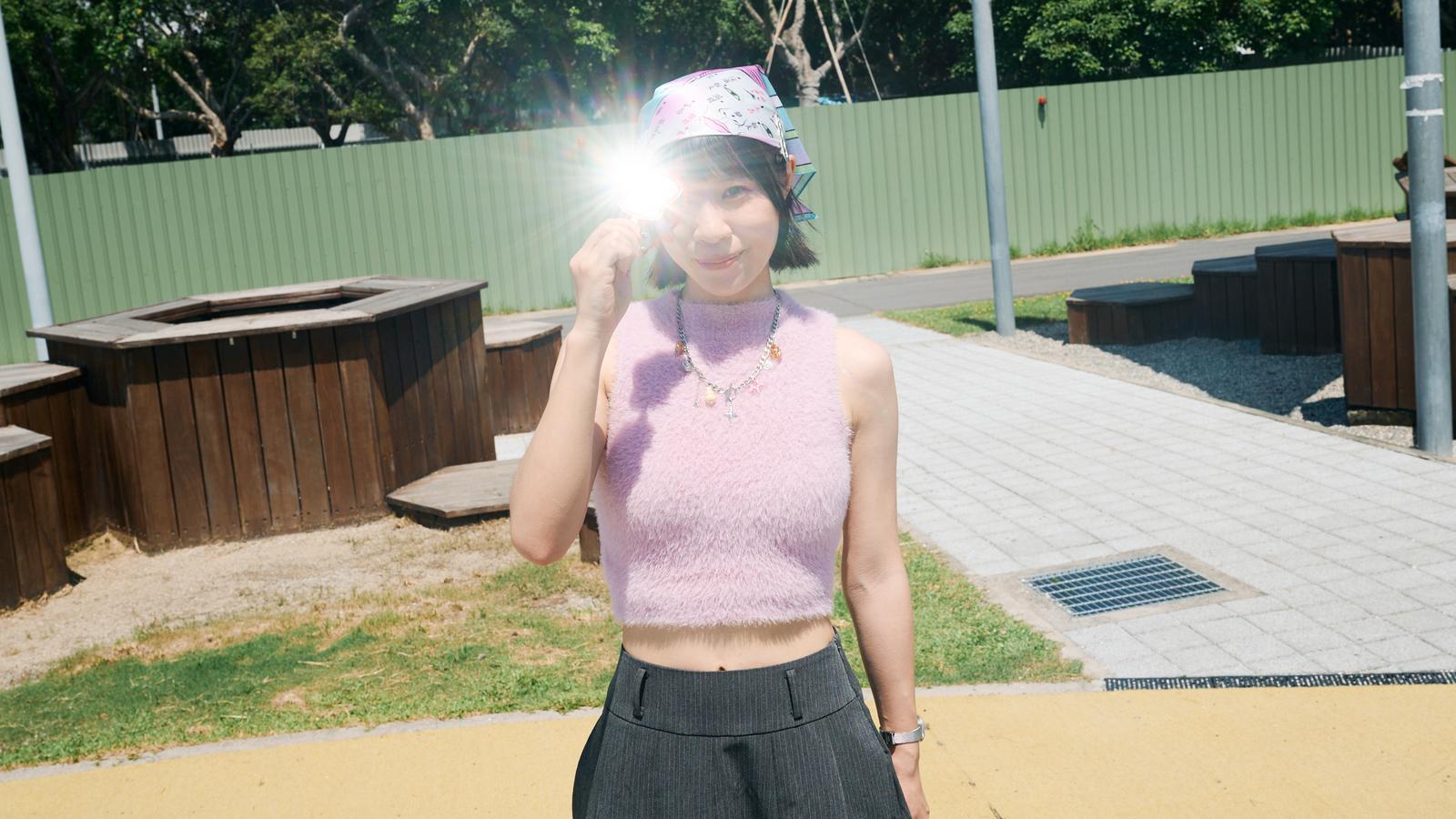
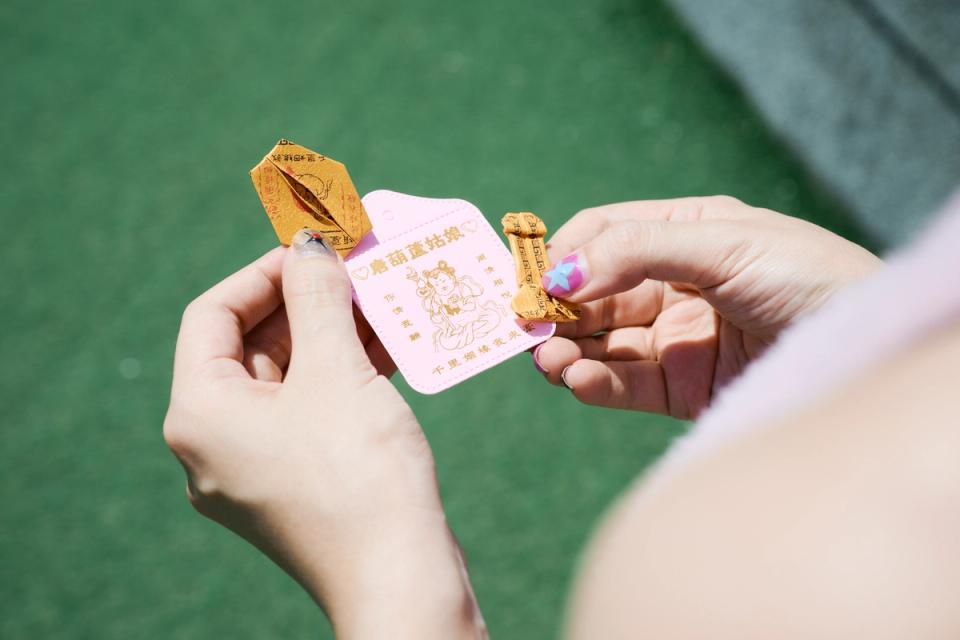
Walk through a design market and you may notice a young woman with an unfamiliar pink temple-style charm pouch hanging from her bag. Then another. A few steps later, a third. But when they open the pouches, what appears inside is not the hexagonal command talisman of a patron deity. It is a sheet of golden joss paper folded into…a rather unmistakable phallus? Legend has it that devotees who own the Peach-Blossom Romance Pouch and fold its ‘specially shaped’ charm by hand will find success in love.
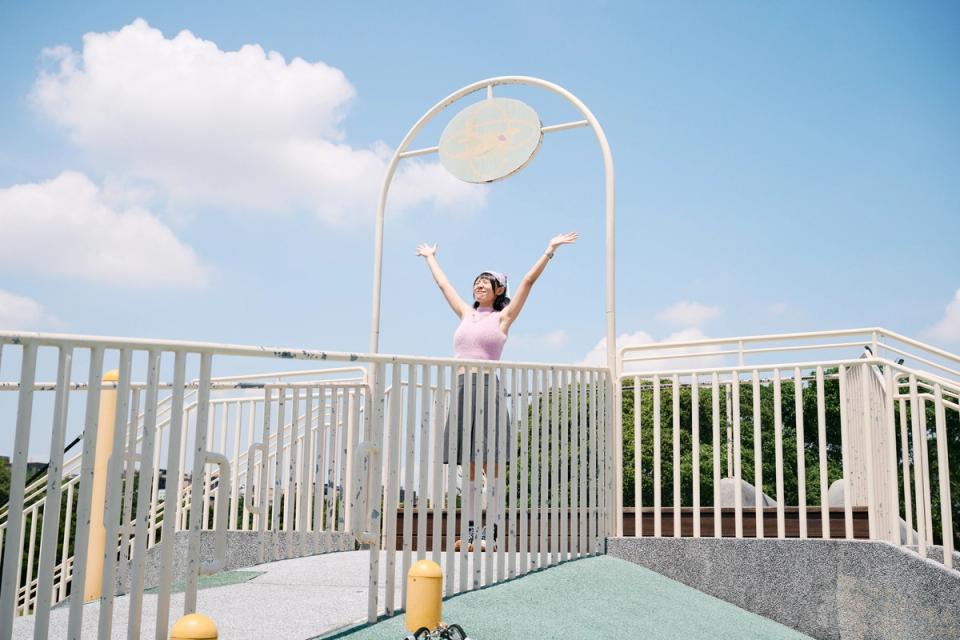
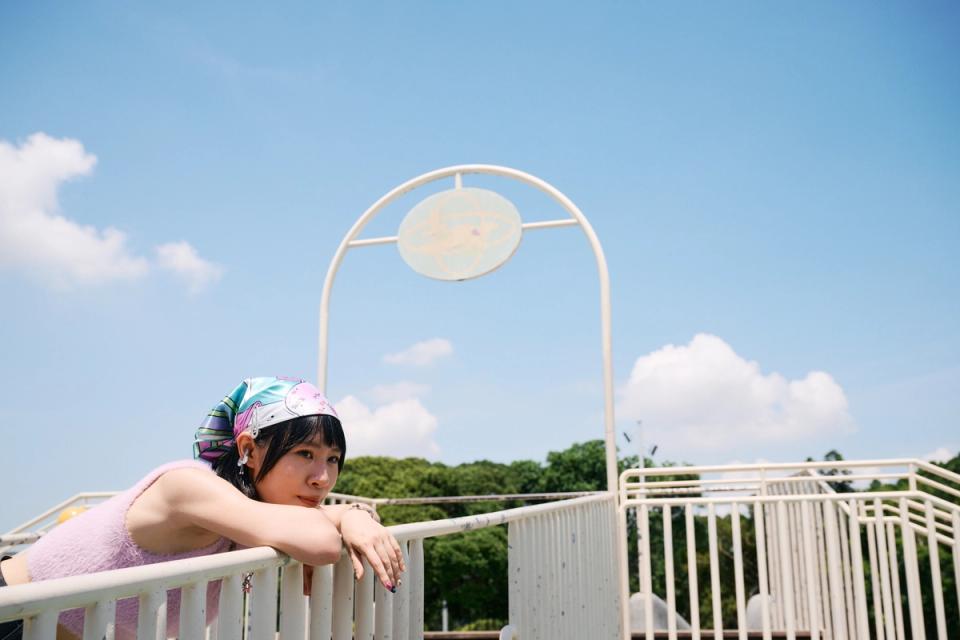
Can it really work? Zhen-Yuan Chen, the writer-illustrator who created this miraculous pouch, laughs. ‘You can’t actually take it to a temple and worship it! !’ Blending Taiwanese folk-religious imagery with an endearingly odd visual language, Zhen-Yuan created the almost-divine Miss Tanghulu to help women navigate romantic troubles and everyday predicaments. Along the way, she has cultivated a following as loyal as any congregation. Some fans have stayed with her from single life through dating, marriage, and even parenthood.
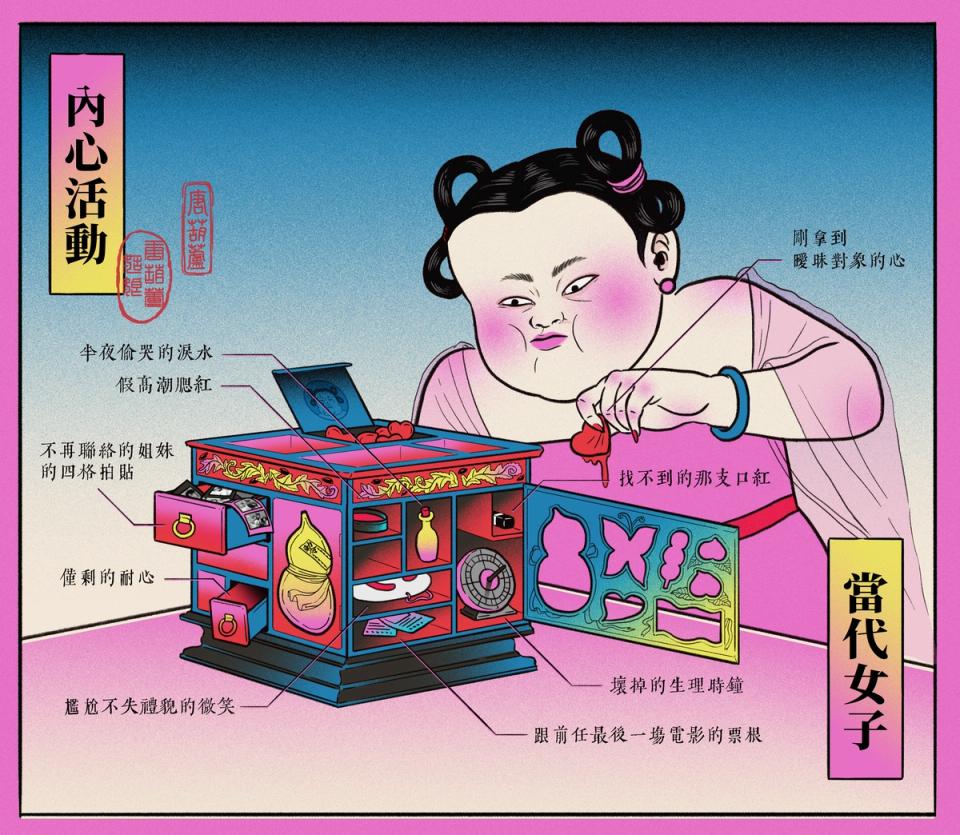
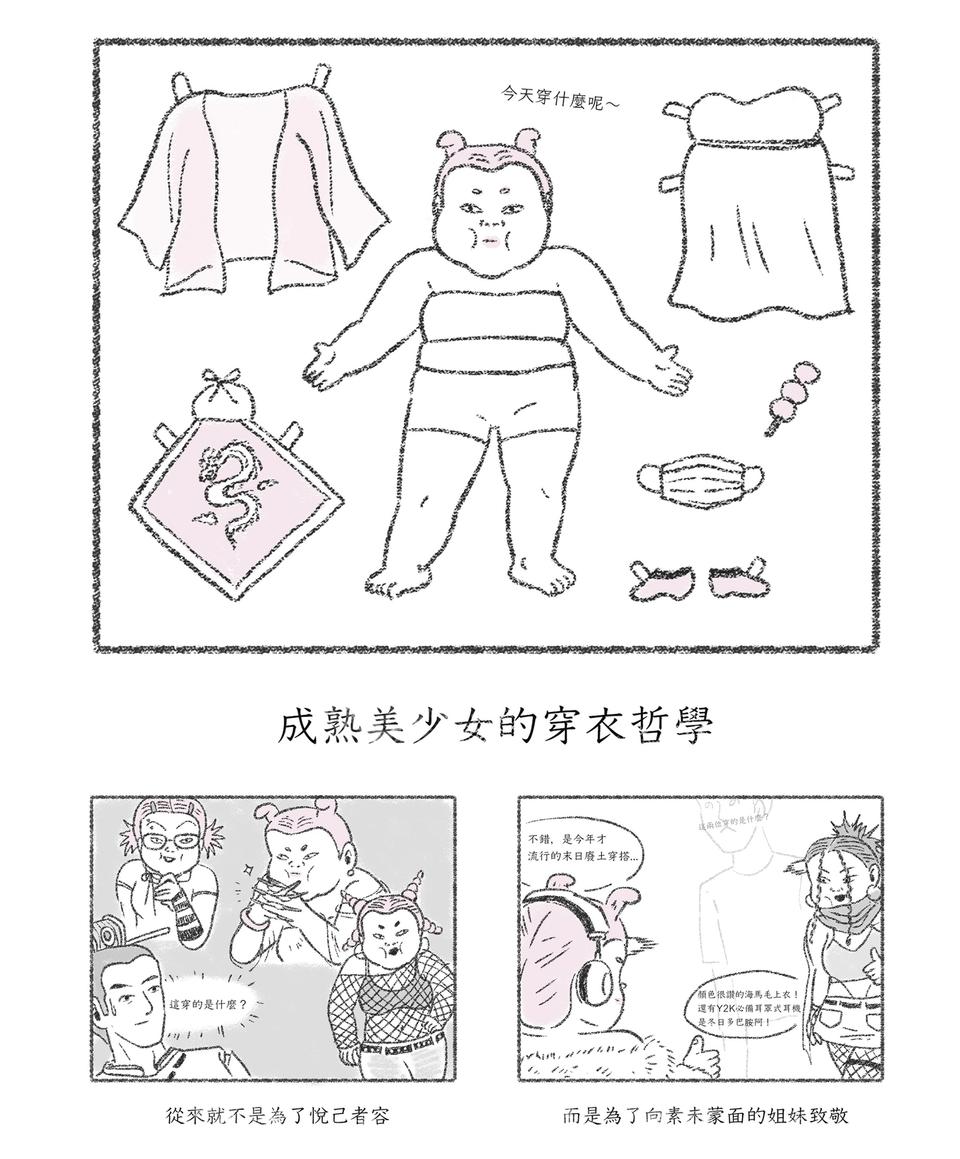
Miss Tanghulu began, Zhen-Yuan recalls, simply because she enjoyed sketching all kinds of characters. Period dramas were everywhere at the time, so she drew a round, full-figured woman in historical dress with flamboyant expressions. A funny appearance alone was not enough: Zhen-Yuan deliberately placed her in the awkward situations of a modern office worker—texting on her phone to flirt, or streaming dramas on a laptop. The contrast evolved into a comic strip. At first, she was only amusing herself, but her friends loved it. Then one remarked, ‘Her face and body are both so round: is she a bottle gourd?’ And just like that, Miss Tanghulu was born: hulu means gourd, Tang nods to the Tang dynasty, and together they echo tanghulu, the candied-fruit skewer.
My Beauty Is Mine Alone to Define
Miss Tanghulu is imagined as a woman from the Tang dynasty. Why that period? Zhen-Yuan had been watching the historical drama The Empress of China and found herself drawn to its women. Further reading led her to see the Tang as comparatively open in its attitudes toward women and as a time when fuller figures were admired. ‘In my imagination, it felt like a wonderful era.’ Miss Tanghulu thus became more than an extraordinary woman transported from the Tang into the present: she gradually came to embody Zhen-Yuan’s alternative vision of beauty.
Zhen-Yuan admits that she, too, has struggled with anxiety about her appearance. While she was working in advertising, long hours and relentless stress disrupted her routine and left her face covered in breakouts. Around her, many colleagues and friends maintained polished appearances through cosmetic treatments. ‘For a while, I kept wondering whether I simply was not pretty enough.’ Through Miss Tanghulu, she hopes to invite people to reconsider what ‘beautiful’ means. Rounded, imperfect, and entirely at ease, the character helps others let go of the harsh demands they place on their looks, and reminds her creator that no one needs to conform to a single standard.
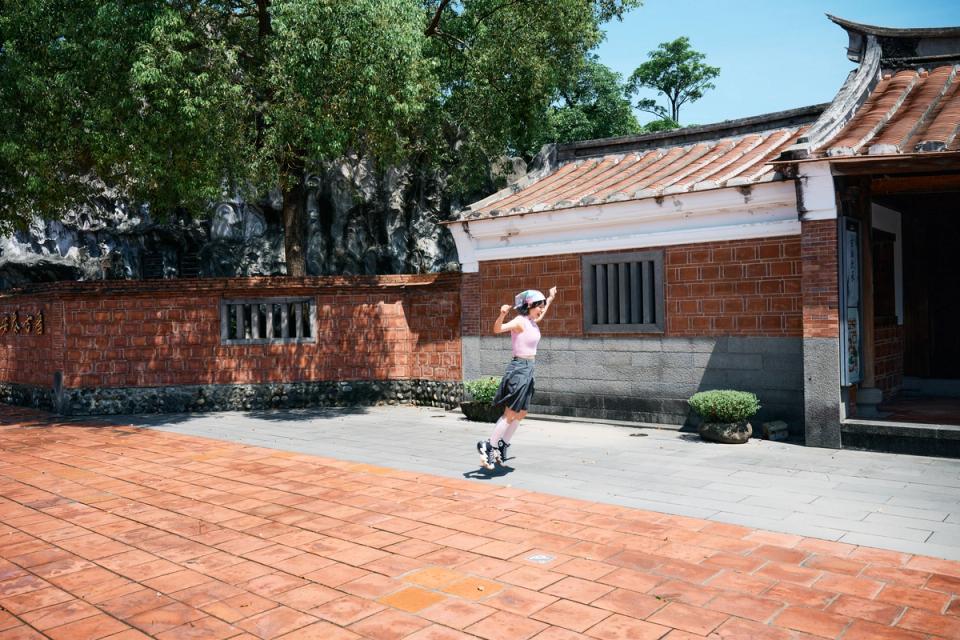
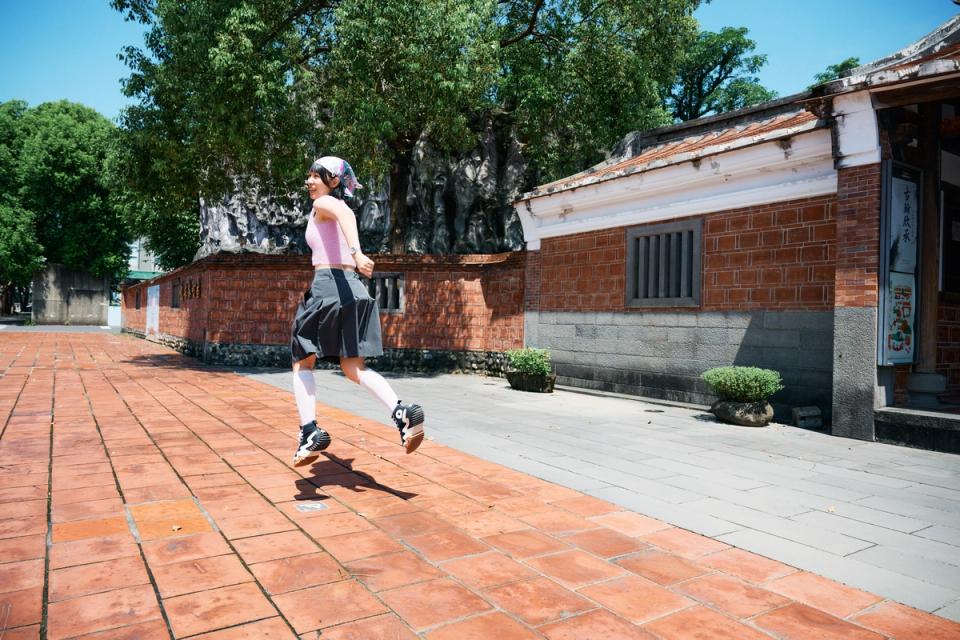
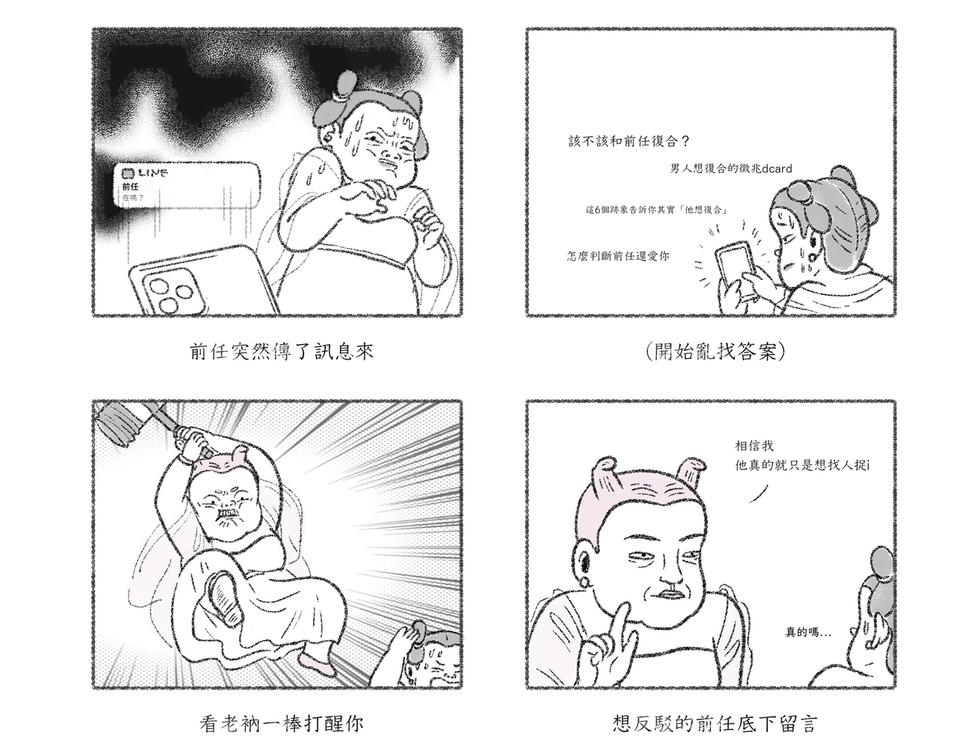
‘If you cannot be the prettiest,be the strangest.’ Once Zhen-Yuan heard the line, she never forgot it. Self-mocking yet strangely liberating, it became a compass of sorts. Beautiful images, she observes, can now be generated effortlessly by AI. But a character as ‘ugly-cute’ as Miss Tanghulu remains difficult for AI precisely because she refuses conventional standards of beauty. Zhen-Yuan has tried feeding the character into image generators, only to watch them repeatedly transform her into the same large-eyed, sharp-chinned, slender ideal, whatever the prompt. The result leaves her laughing in exasperation: ‘I drew her that way on purpose because I did not want her to look like that!’
The Words We Cannot Say: Miss Tanghulu Knows Them All
Her short Instagram comics make two things immediately clear: Miss Tanghulu is a hopeless romantic, and she never minces words. Zhen-Yuan says the character draws half her inspiration from friends’ love stories and half from the woman she herself would like to be. Miss Tanghulu speaks boldly, but Zhen-Yuan identifies as an ‘I-type’, an introvert in the MBTI system. In a new workplace, her mind may be racing with ideas, yet she often stays quiet, worried that what she says won’t win people over right away. Everything left unsaid in real life eventually passes to Miss Tanghulu, who says it for her.
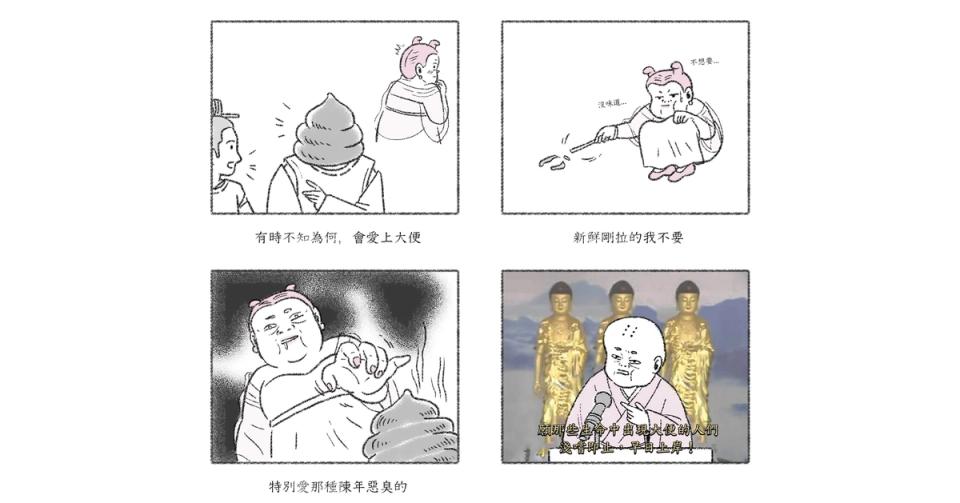
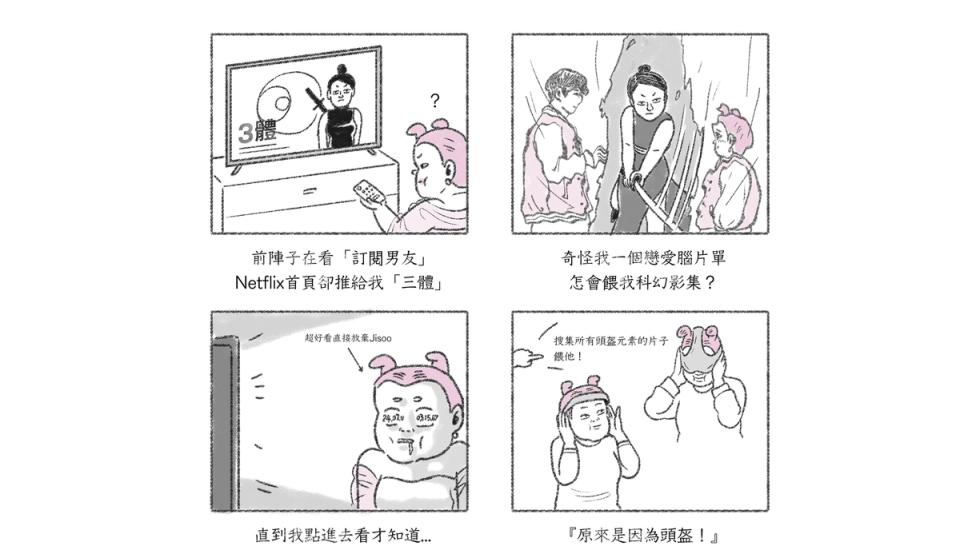
As the years pass, the lives of Zhen-Yuan’s friends have moved from dating toward marriage and parenthood. Miss Tanghulu, forever ruled by romance in the comics, has also shifted from participant to seasoned observer, looking back on the love stories that once made everyone laugh and groan. ‘I think I am running out of stories from the people around me!’ Zhen-Yuan jokes. When inspiration dries up, she turns to romantic dramas and revisits all the ridiculous, hilarious moments of falling in love.
Lately, Zhen-Yuan has been rewatching the classic Japanese drama Long Vacation. Love saturated the television dramas of the 1990s, she says, and watching them returns her to the early days of Miss Tanghulu, when she and her friends were all still ‘suffering for love.’ One image from the first episode remains vivid: the heroine, abandoned by the groom who never arrives for their wedding, races through the streets in a kimono and full makeup to find him at home. The disheveled contrast is so funny that it plays endlessly in Zhen-Yuan’s mind. Perhaps one day, Miss Tanghulu will star in a classic drama plot of ‘pure love’ or, with one small slip of the tongue, ‘foolish love.’
Sketch by Sketch, a Faith of Miss Tanghulu Takes Shape
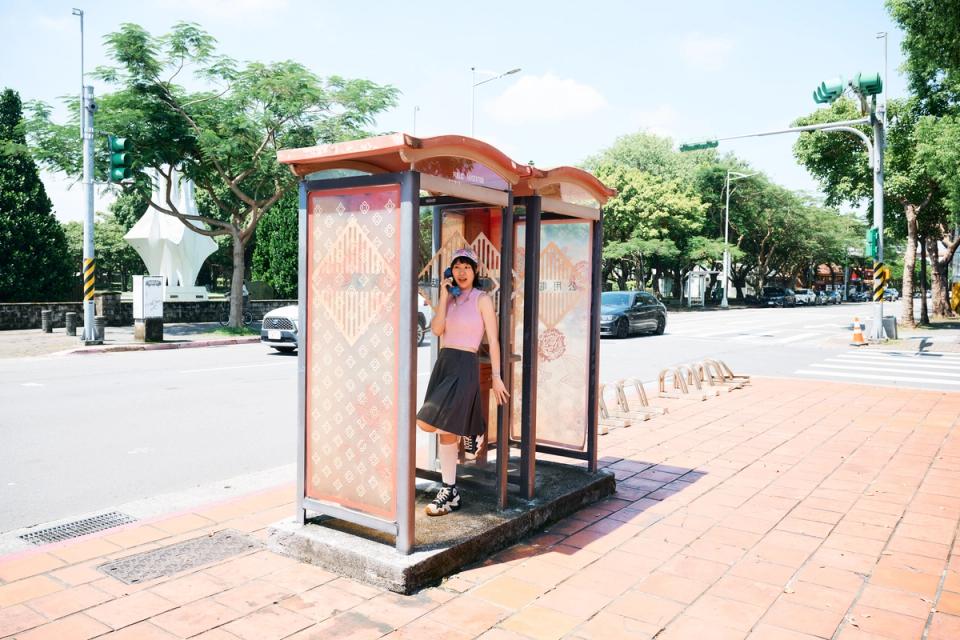
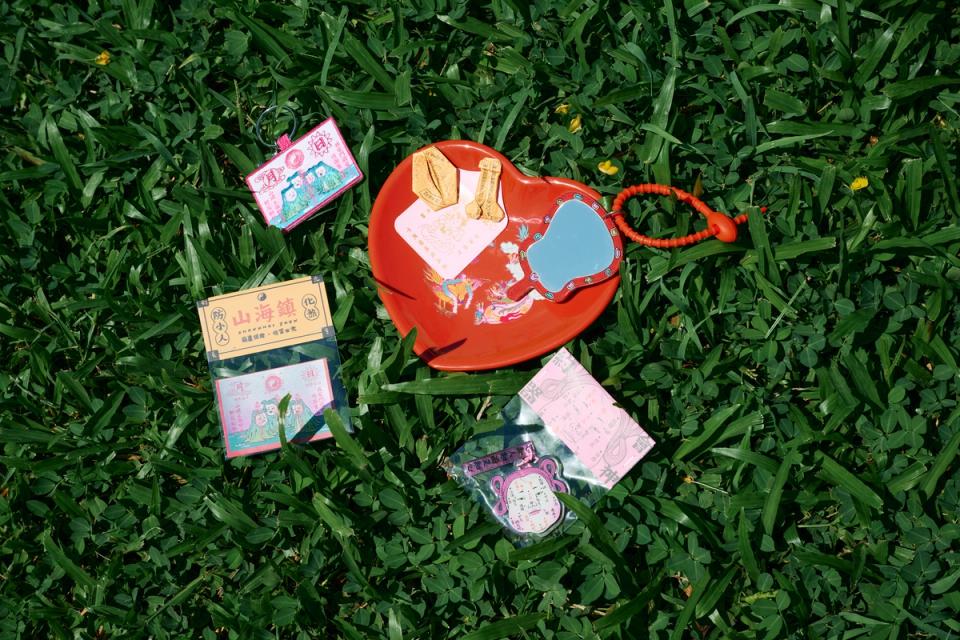
Zhen-Yuan imagined Miss Tanghulu as a woman transported from the Tang dynasty into the present, then borrowed Taiwan’s ritual culture as a creative language. Talismans, temple-style charm pouches, dragon-and-phoenix trays, and diagrams for reading facial moles, familiar folk symbols are all reinterpreted. Objects once belonging to worship and belief are rewritten in the slang and punchlines of contemporary life. The result may look mischievous, but because it stays so close to daily experience, devotees cannot resist it. Together, the works form a private universe of faith understood only by those already in the fold.
Surprisingly, these folk elements were not present in Miss Tanghulu’s world from the beginning. They seeped into the work gradually, following a major turn in Zhen-Yuan’s own life. During the pandemic, she resigned from a full-time design job and left the advertising company in Shanghai where she had spent three years, returning to Taiwan. ‘It was such a strange feeling. I worked there for three years, and then everything ended in three days, as if it had all been one long dream.’ The life she knew had been severed, yet the exhaustion remained. With the uncertainty of the pandemic, everything felt chaotic.
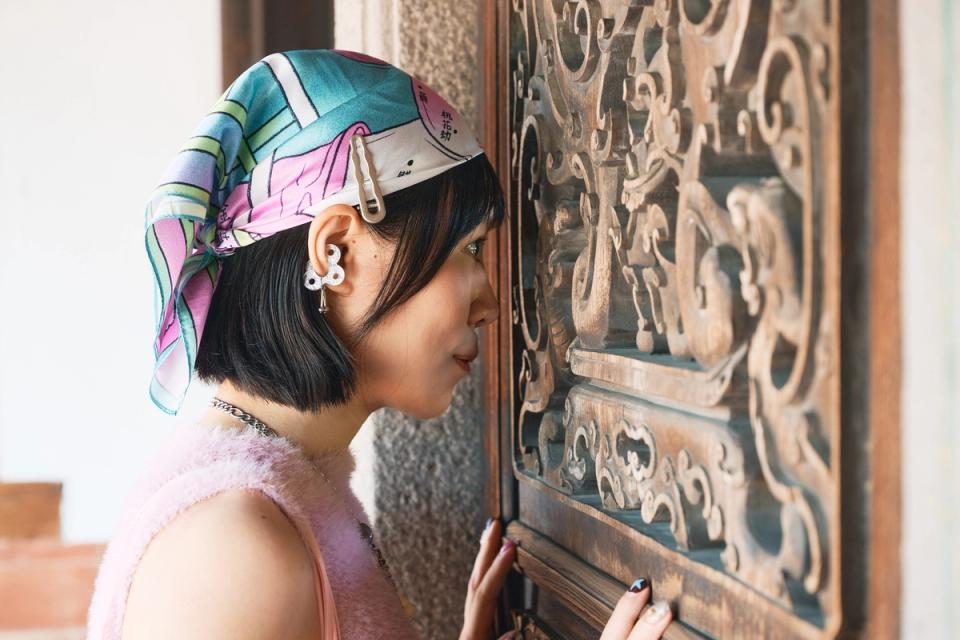
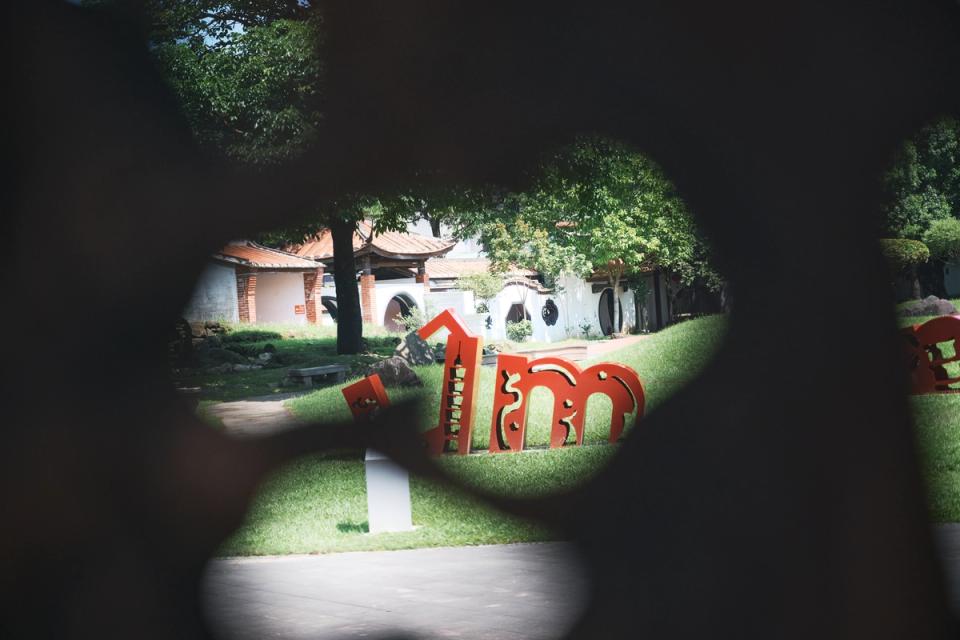
After returning to Taiwan, Zhen-Yuan happened one day to enter a neighborhood temple, not to seek help from any particular deity, but to recover a familiar sense of reassurance. ‘As a child, I did not feel much connection to local Taiwanese religion. I simply followed my elders to worship or accompanied friends to a temple of “Yue Lao”, the Matchmaker God.’ Perhaps, she jokes, life had once been too happy for her to imagine seeking strength from faith. While searching for calm, she revisited familiar temples. As she continued refining Miss Tanghulu and the products around her, she began combining temple colors and decorative details with a fearless hot-pink palette, creating a distinctive collision of old and new.
As Miss Tanghulu began reflecting people’s inner lives, she developed a life of her own. Fans joined the faith voluntarily and carried the works into their daily routines. Some give an ‘Anti-Falling-Too-Hard Talisman’ to a friend who is catching feelings; others bring the Peach-Blossom Romance Pouch with them when they pray at temples, and some have even thanked Zhen-Yuan for helping them meet the right partner.Zhen-Yuan laughs: ‘If everyone believes it works, then perhaps it does.’ Absurd ideas once confined to paper and screens gradually acquire a power somewhere between faith and shared understanding. What Miss Tanghulu has always wished to say is simple: she wants women to feel more confident.Whether or not they are dating, married, or raising children, they should care for themselves amid the rush of life. A reasonable measure of selfishness is not too much to ask.
Miss Tanghulu’s Most Talked-About Instruments of Love
Tool 01—The Most Unexpected Bestseller: Peach-Blossom Romance Pouch
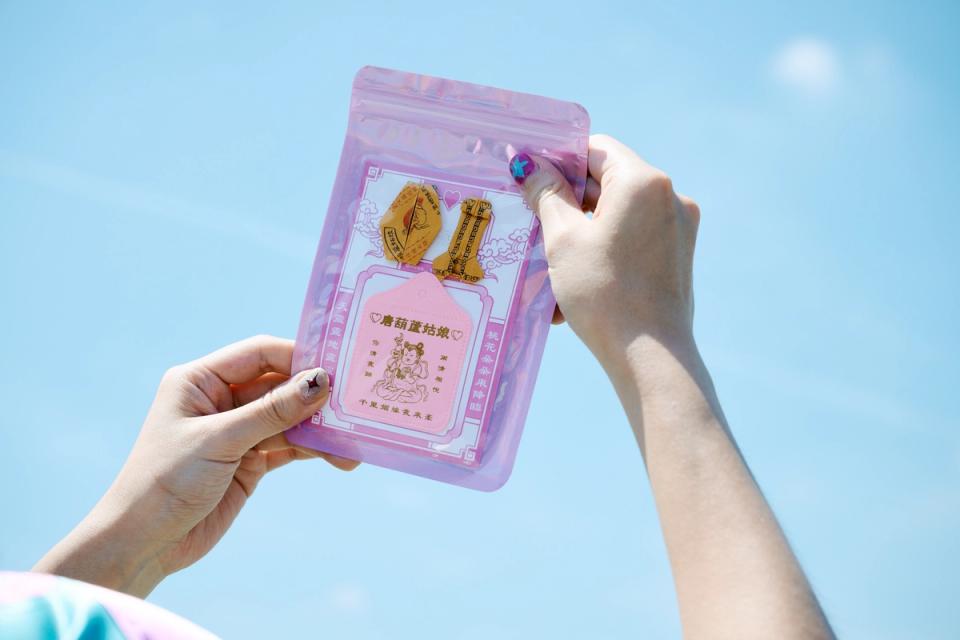
Conceived in a flash of inspiration, the Peach-Blossom Romance Pouch carries blessings for leaving single life behind and attracting a compatible partner. When Zhen-Yuan asked a straight male friend what he thought, he scoffed, ‘Who would buy that?’ His reaction only strengthened her resolve to make it. The pouch became a bestseller. Many overseas visitors bought it simply because they liked its shape, then messaged after returning home to ask what it was for. Zhen-Yuan would begin with, ‘It is based on a traditional object with cultural significance,’ and slowly explain how she had translated it through humor, earnest and absurd at once.
Tool 02—The Most Mischievous: Pocket Demon-Spotting Mirror
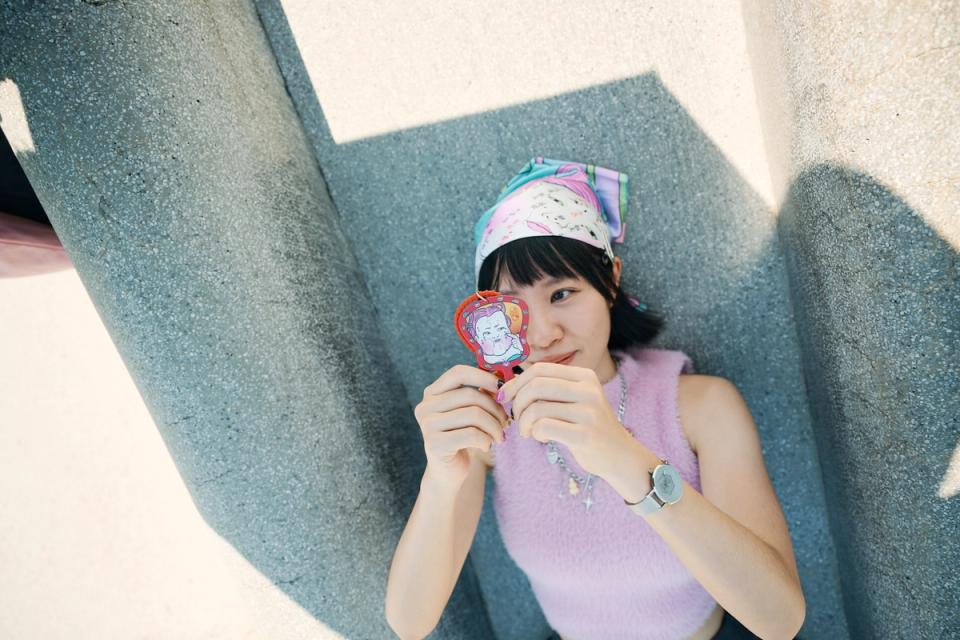
Zhen-Yuan calls the Pocket Demon-Spotting Mirror an essential dating tool. At first glance, it resembles a traditional East Asian face-reading chart transformed into a charm that combines a key ring and a tiny mirror. Look closely, however, and the physiognomic diagram conceals more than a few surprises. Zhen-Yuan suggests hiding it in your palm when meeting an online acquaintance, or going on a first date, so you can study the other person’s face while you talk. Know the face, and perhaps the heart behind it.
Tool 03—The Most Superstitious: Shanhai Zhen Key Ring and Sticker
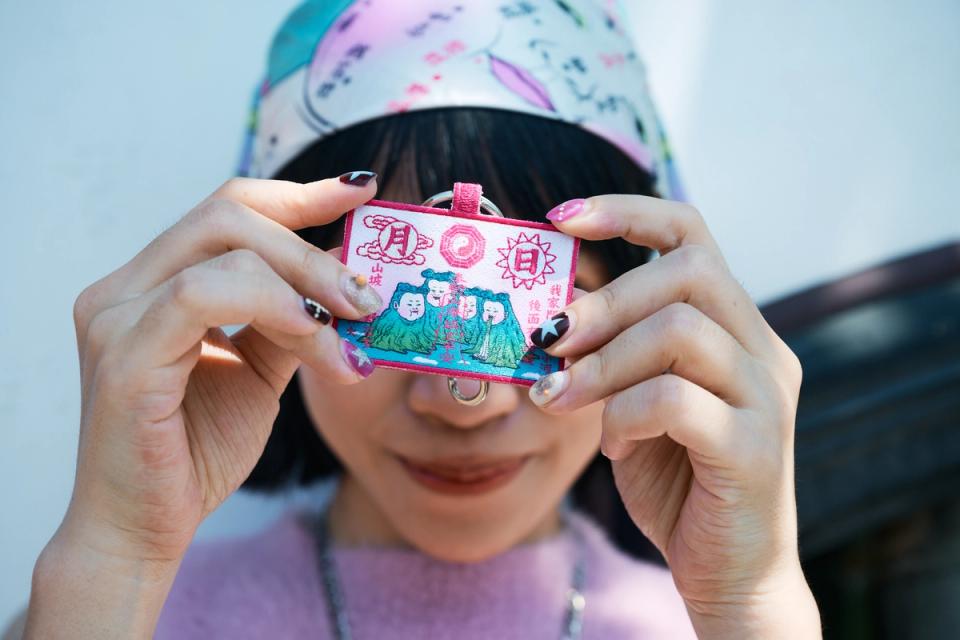
The Shanhai Zhen, a traditional feng shui warding plaque, is traditionally used in Taiwan to protect a home, ward off harmful forces, avert misfortune, and invite prosperity. It often appears on houses, in lanes, and above garage entrances. Miss Tanghulu’s version makes the form light and portable as a key ring or sticker. The composition still resembles a ritual command, but its text has been rewritten in mock-serious language. One customer even messaged before ordering to ask whether the item had passed over temple incense and been ritually consecrated. Zhen-Yuan could only reply with a rueful smile: ‘This product exists solely to make you laugh. Please do not take it seriously.’