Thirty Times Smaller, Twice as Tempting: Don’t Build This Taiwanese Popcorn-Chicken Stall at Midnight
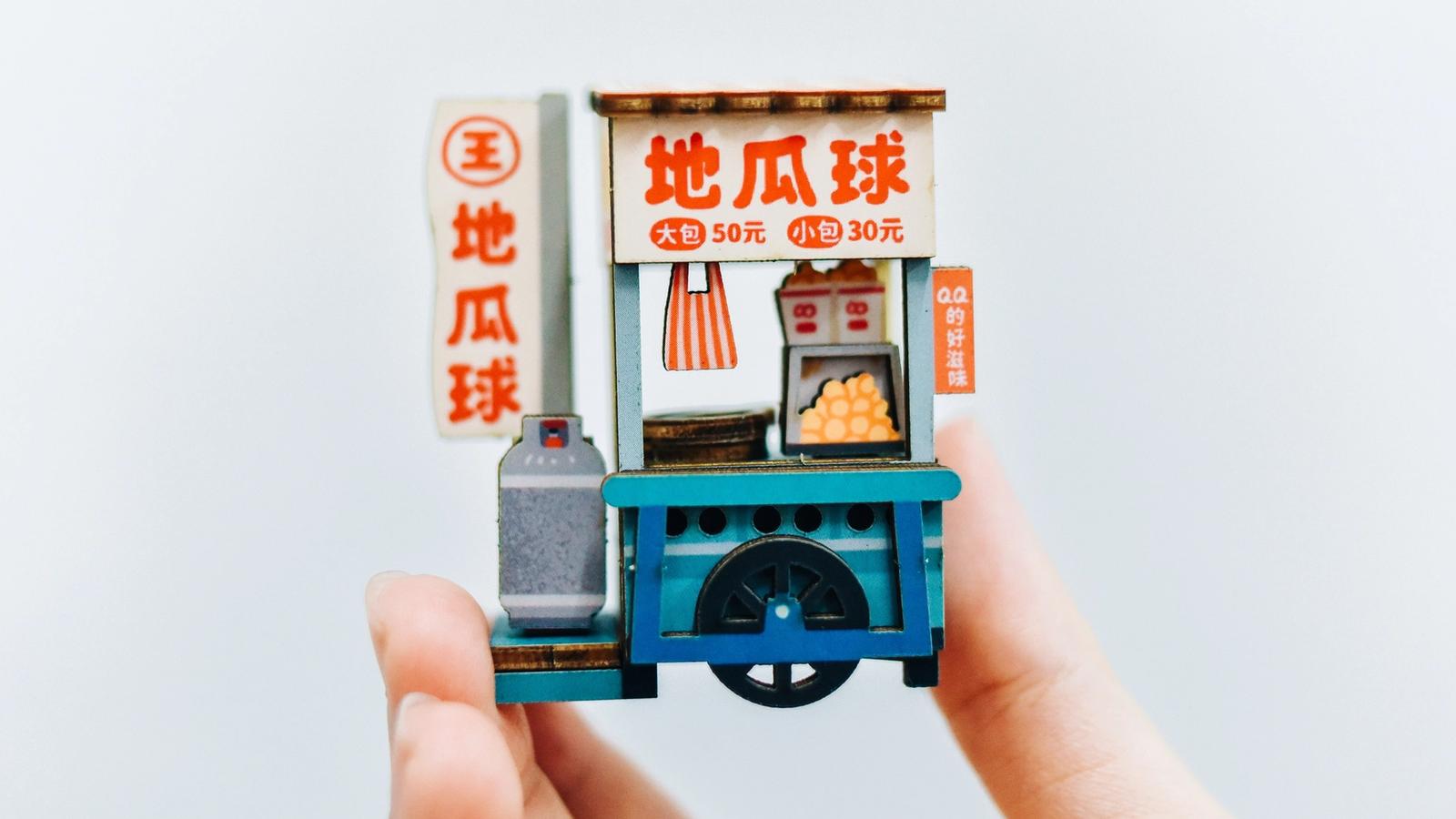
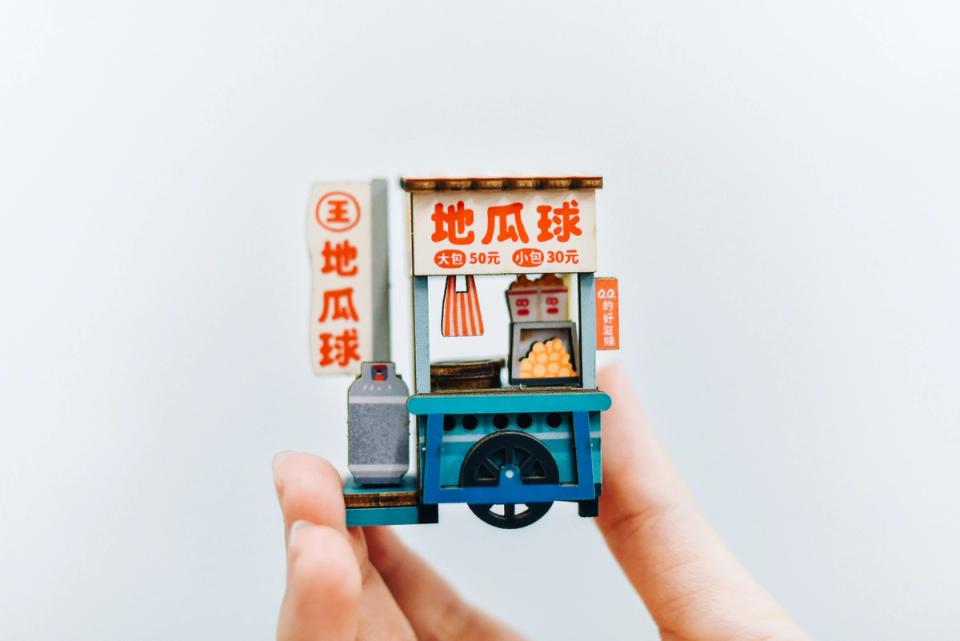
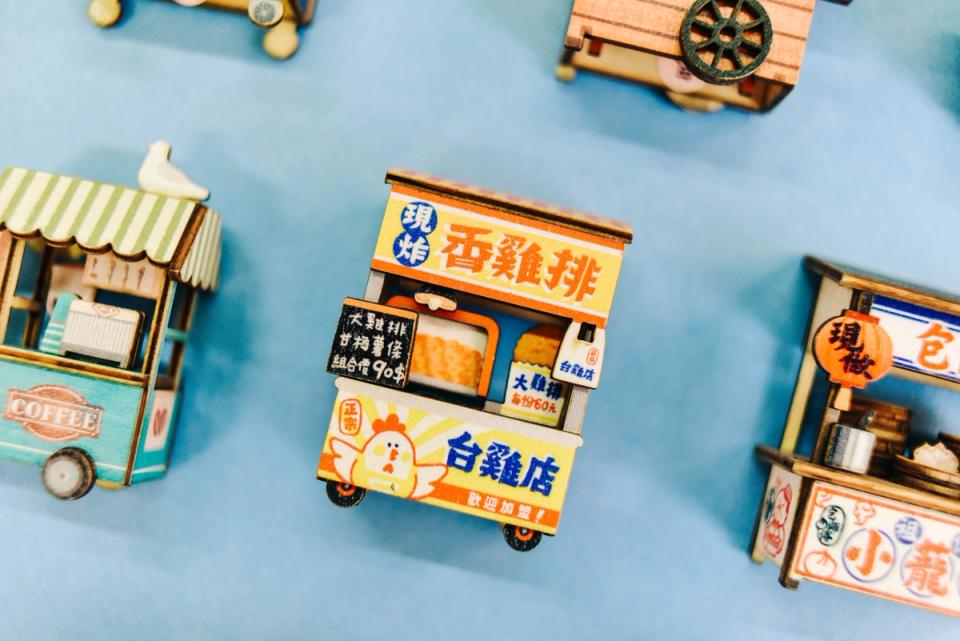
What can you do in fifteen minutes? Clear your mind, keep your fingers busy, and open a DIY Cart Magnet kit from Treasure Isle, a Hundred Stalls. Piece by tiny piece, bring your favorite Taiwanese night-market stall to life. Following instructions that could hardly be simpler, press the miniature components out of their wooden sheets and assemble a snack cart small enough to sit in your palm. This is not merely a craft toy for children; it is also a delightful antidote to adult boredom. “With many things, it takes a long time before you feel any sense of achievement. But when you are frustrated and finish one of these carts, that little surge of satisfaction comes immediately,” says Yin-Mei Lin, CEO of Monkey Design.
What Taiwanese Person Doesn’t Love a Night Market?
Whether it is The King of Nightmarket, the reality competition that brings famous night-market vendors into a studio to face off, or Yes! Night Market, the international reality show that puts celebrities behind food stalls, Taiwan’s night markets have become a cultural phenomenon for locals and visitors alike over the past two years. “A night-market theme speaks to everyone from age three to 100! It is hard to find anyone in Taiwan who has never visited one, and Taiwanese food holds enormous appeal for overseas travelers,” says Wan-Yi Lin, a designer with Taiwanese Lifestyle, a sub-brand of Monkey Design.
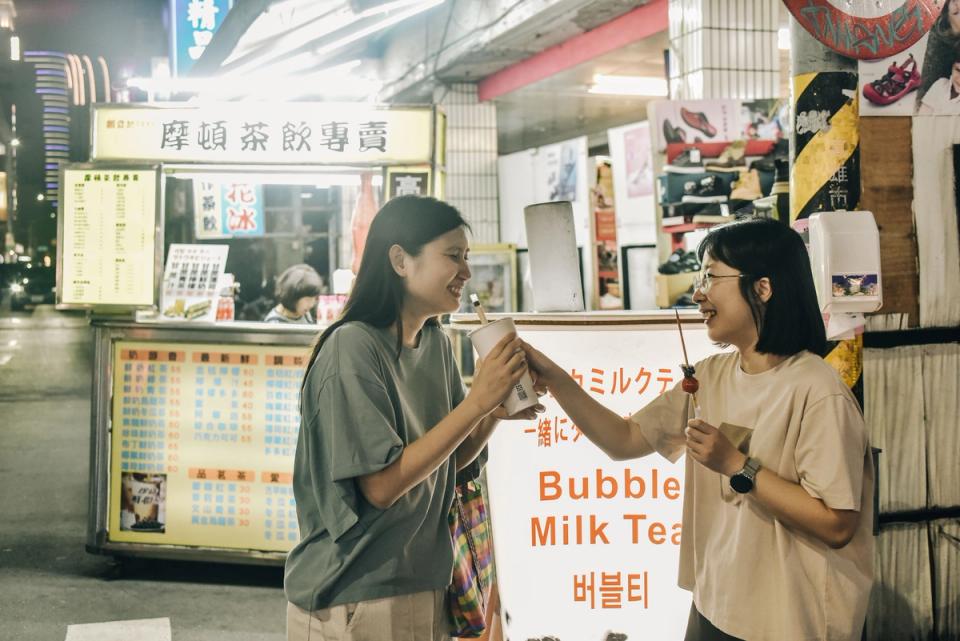
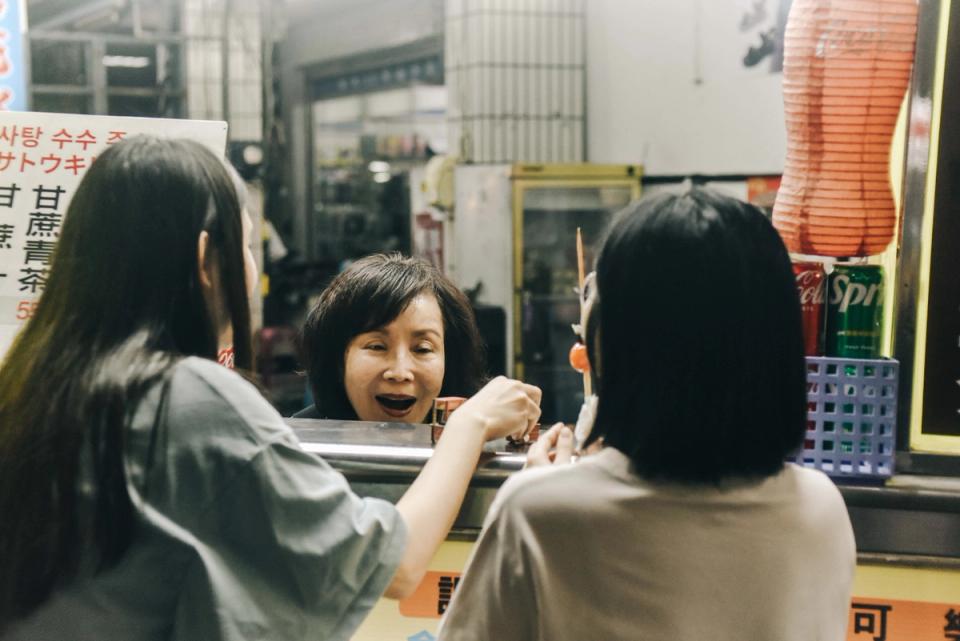
“Night markets are part of our everyday routes, the closest places to us,” adds Wan-Zhen Lin, who co-designed the series. Liuhe Night Market, one of Kaohsiung’s most iconic night markets, stands only a few steps from the Monkey Design office. When hunger strikes in the evening, it is the team’s first choice for a local meal. It also became a wellspring of inspiration while Wan-Yi and Wan-Zhen were developing the Treasure Isle, a Hundred Stalls cart magnet. There are bubble-tea stalls beloved by visitors, as well as betel-nut carts, grilled-corn vendors, candied-fruit stands, and countless other sights familiar to Taiwanese people. Just as the market begins to open, we slip inside with the two designers, searching for dinner and asking which stalls sparked their imaginations most.
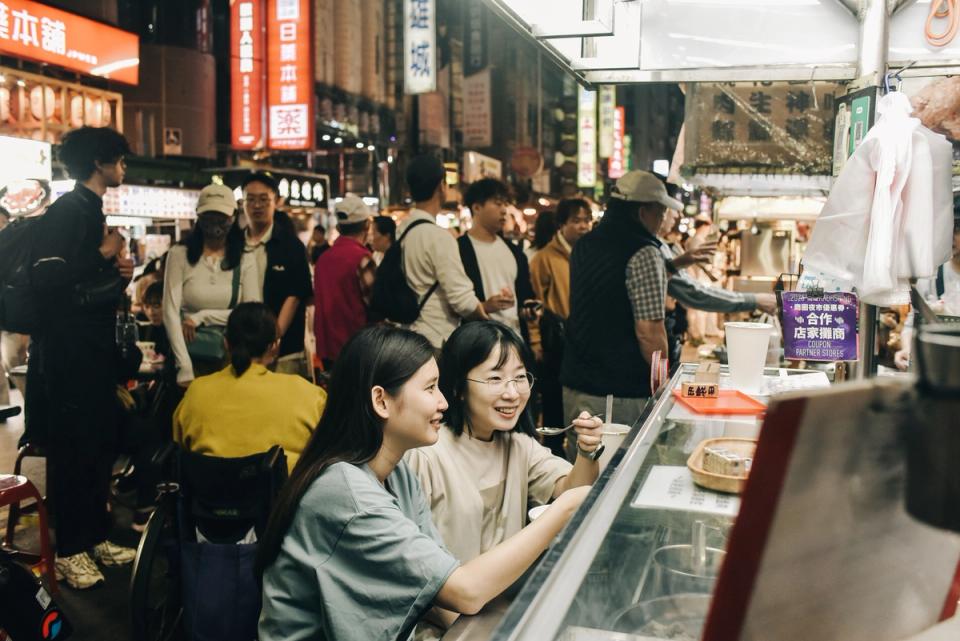
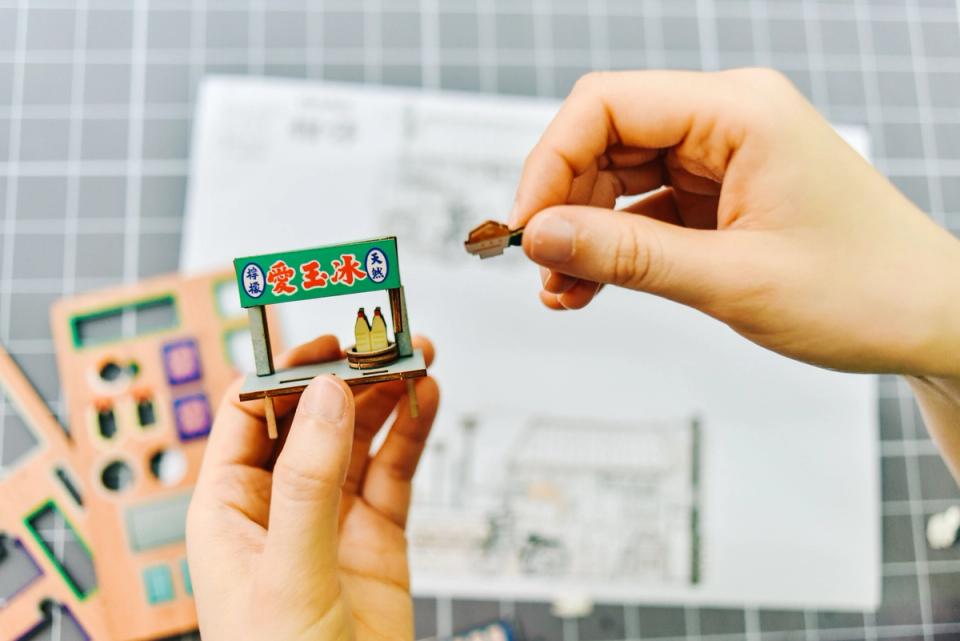
“What would you like? If you order from us, you sit at this table.” It takes a gentle reminder from the woman running the lemon-aiyu stall to reveal the invisible borders dividing the seating among neighboring vendors. More surprising still, the stall’s bright red-and-green sign looks remarkably like the facade of the “Aiyu” Jelly DIY Cart Magnet in Wan-Yi’s hand. It is as though Doraemon’s Small Light has shrunk the real cart to roughly one-thirtieth scale. Look closely: the tiny cart carries an enormous bowl of “Aiyu” jelly (Taiwanese special jelly); two bottles of lemon juice wait beside it in an ice chest; and one side bears the slogan “Cooling and Refreshing.” With its picture-book charm, the illustration is sure to draw more than a few cries of “kawaii” as people assemble it.
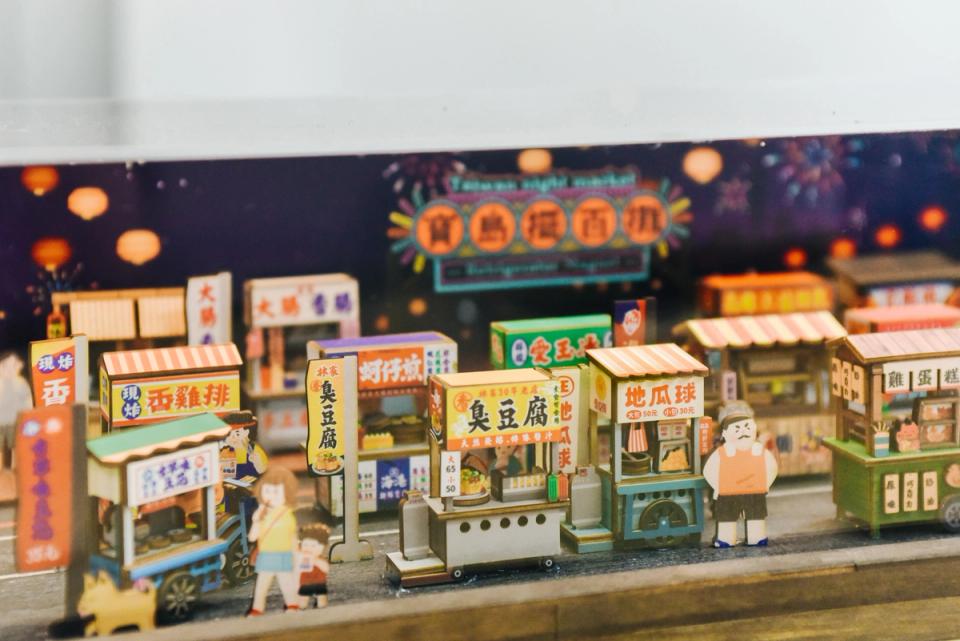
The two designers explain that their earlier products were created mainly with tourists in mind. As they dug more deeply into Taiwanese themes, however, they wanted to move beyond familiar sightseeing imagery and present experiences that felt more everyday, distinctive, and true to life. Treasure Isle, a Hundred Stalls was the first product born from that intention. Recalling the initial idea, Wan-Yi says, “If a food cart became a souvenir magnet, it could sit anywhere or cling to a refrigerator and bring back memories of a place you once visited. We imagined one vast night-market scene filled with distinctive food carts from across Taiwan. We hoped to design a hundred stalls, so we called it Treasure Isle, a Hundred Stalls.”
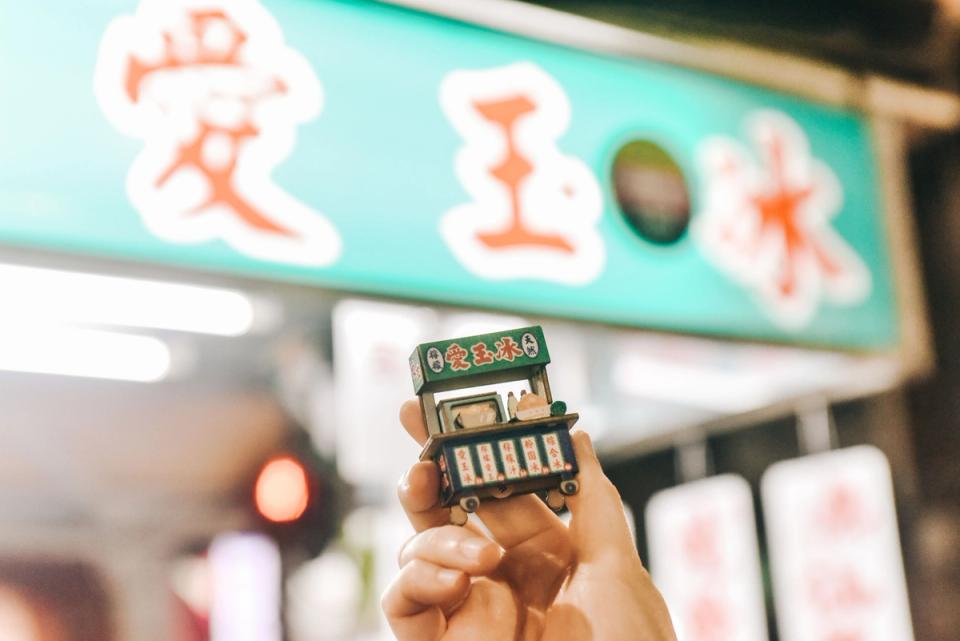

The designers conducted fieldwork in night markets across Taiwan, studying real carts while adding ideas of their own, from visual styles to imagined personalities for the vendors, and transforming 2D illustrations into three-dimensional miniature magnets. They designed 24 carts in all, each with its own exterior and interior. CEO Yin-Mei Lin adds, “At first, the team wanted a great many cart designs to recreate the atmosphere of a night market, though retailers naturally had practical concerns. But they were so passionate, and every drawing was so incredibly detailed. ‘Crazy’ is really the only word for it…”
Tried and Tested: From Second Graders to Octogenarians, Anyone Can Build One
“Building one or two is great fun. By the time you reach a hundred, you start thinking, ‘Why on earth did we design it this way? We’ve made life impossible for ourselves,’” Wan-Zhen says with a rueful smile. In fact, the cart magnets were not originally conceived as DIY products. The first Treasure Isle, a Hundred Stalls collection was sold fully assembled. Because each intricate cart contained more than twenty components, every one had to be put together by hand. To launch the new product on schedule, the company called on everyone in the office to help. They assembled carts during work and after work, sometimes until midnight; even the owner and the owner’s family joined in. It became an all-hands operation.
That improvised in-house assembly line unexpectedly taught the team how enjoyable DIY could be. Many colleagues said they loved watching each “miniature building” take shape as they fitted together the roof, signboard, frame, countertop food, and tiny props. It made them feel like the owner of the stall itself, selling chicken cutlets today and traditional tofu pudding tomorrow. Then the thought occurred to them: why not release a DIY version of the cart magnet?
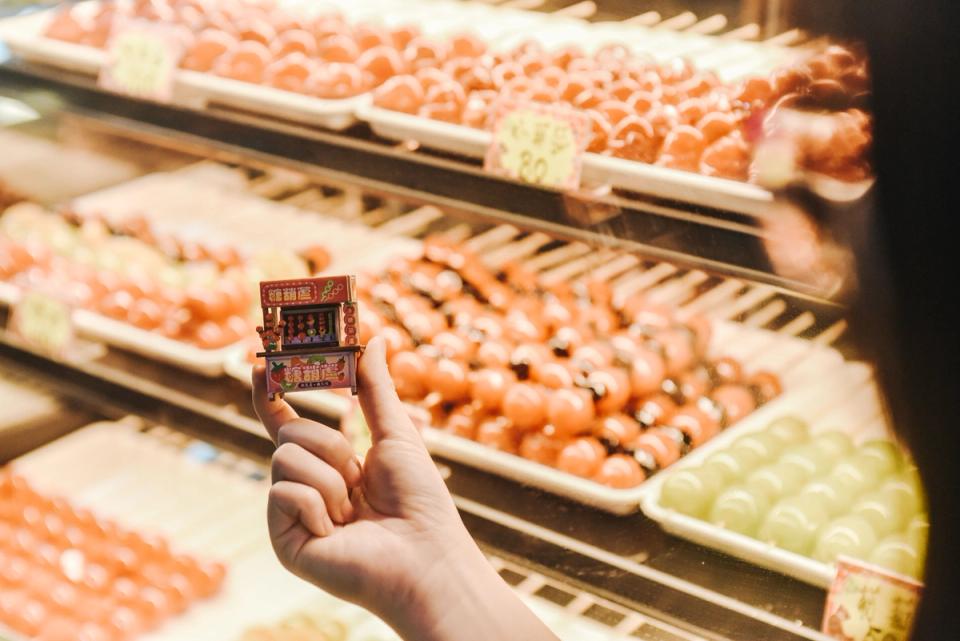
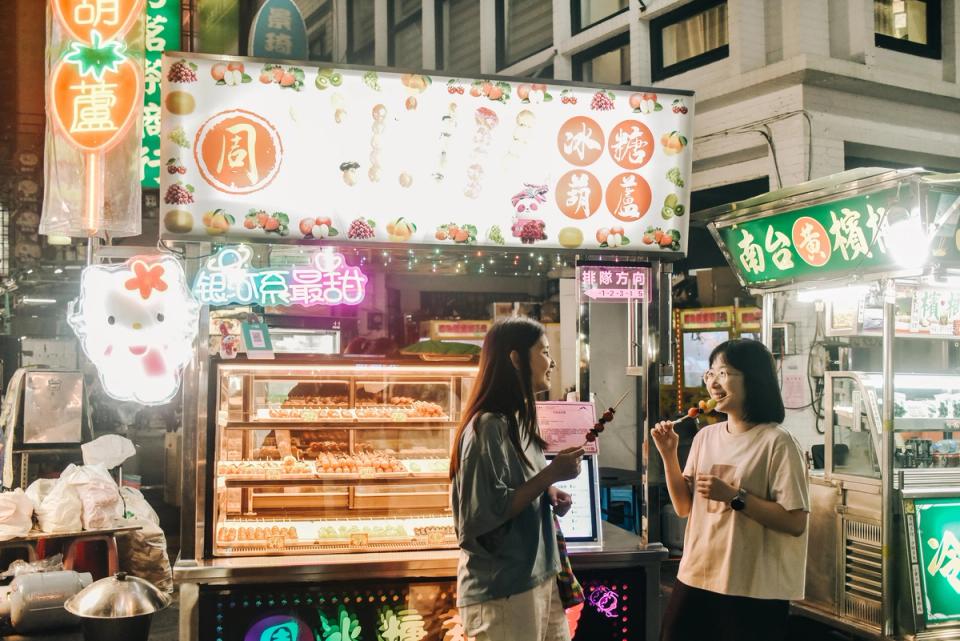
Three months later, the DIY version made its debut. Wan-Yi emphasizes, “We fine-tuned certain details to make assembly easier, but the instruction sheet took the most time. We wanted people to understand the process immediately, so we broke it into diagrams and explanations that were as clear and workable as possible.” Fortunately, by then the team had already put the kit through extensive real-world testing. Office workers found it absorbing; second graders, 65-year-old retirees, and even grandparents in their eighties could assemble it without tools. With a little patience, most people could finish one in about fifteen minutes.
“Can you guess which stall has the most pieces?” the designers ask mischievously. The answer is xiaolongbao, a favorite among overseas visitors, with more than thirty components. Two stories relayed by retailers touched them deeply. “One international customer at LAI HAO Taiwan Gift Shop wrote that every time he saw the cart, it brought back memories of Taiwan. Then a mother told us she had bought one for her child to build. The child had so much fun that the mother went back and bought every other design,” Wan-Yi says excitedly. The team discovered that the series appealed to people who loved miniature toys and miniature crafts. Some delighted in reading the design details; others assembled cart after cart to create the night-market scene of their dreams.
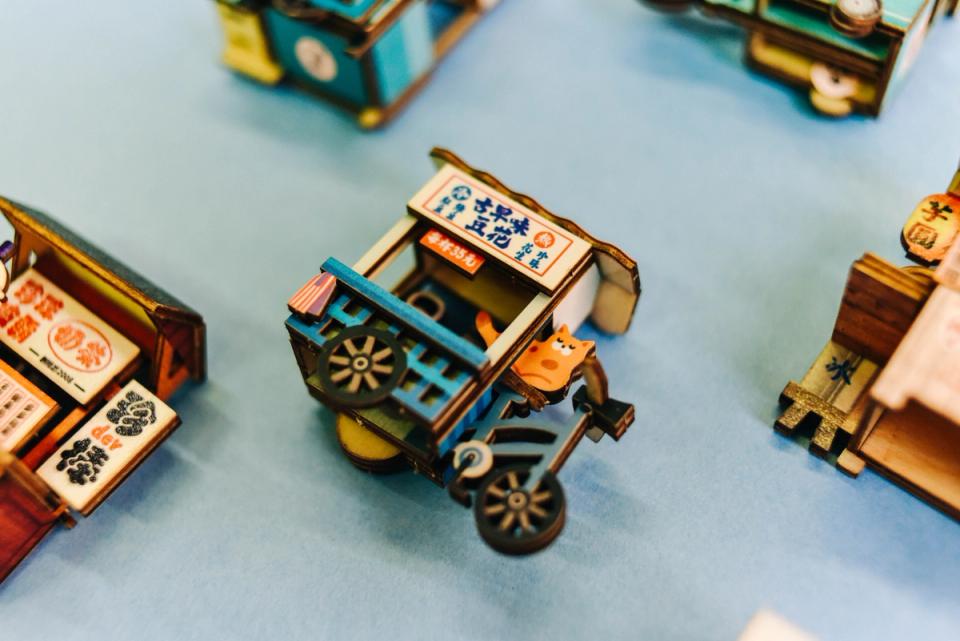
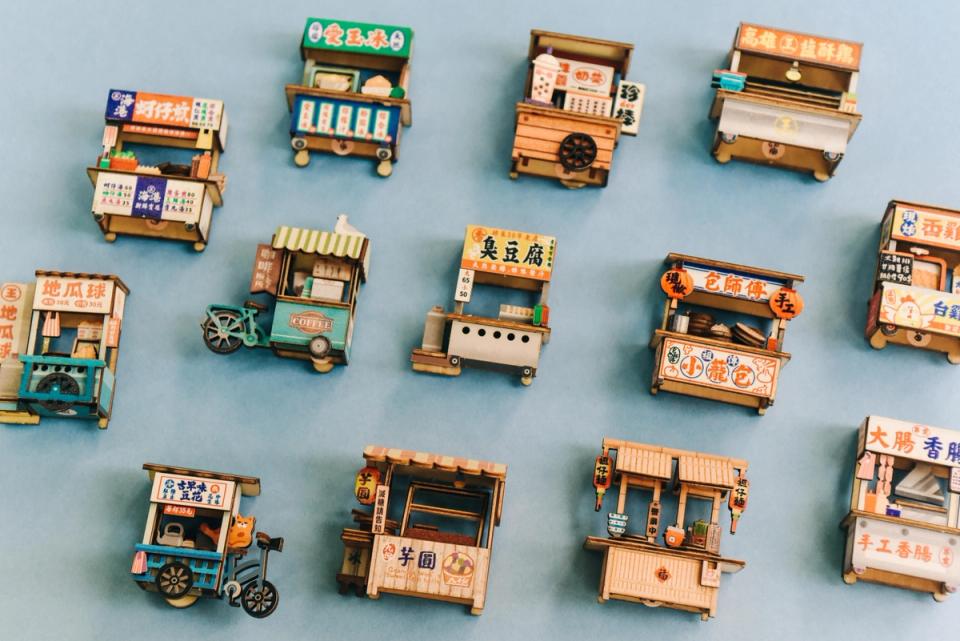
The Tinier, the More Irresistible: Welcome to Gulliver’s World
What makes a world in miniature so compelling? Why does almost anything become more lovable the moment it is made small? In the tale Gulliver’s Travels, a storm casts Gulliver ashore on a mysterious island during his voyage. When he wakes, he finds himself bound hand and foot by a crowd of tiny people…
For Wan-Zhen, the experience is like becoming Gulliver, a giant the Lilliputians had never seen before.. “Everything fits in your palm. Once familiar objects escape their ordinary dimensions, they become faintly surreal, and that contrast is captivating.” Wan-Yi finds that miniature models and dollhouses also give the viewer something like an omniscient perspective. A large object from everyday life suddenly becomes small enough to take in at a glance, every detail exposed. Familiarity creates an emotional connection, while the shift in scale opens space for the imagination.
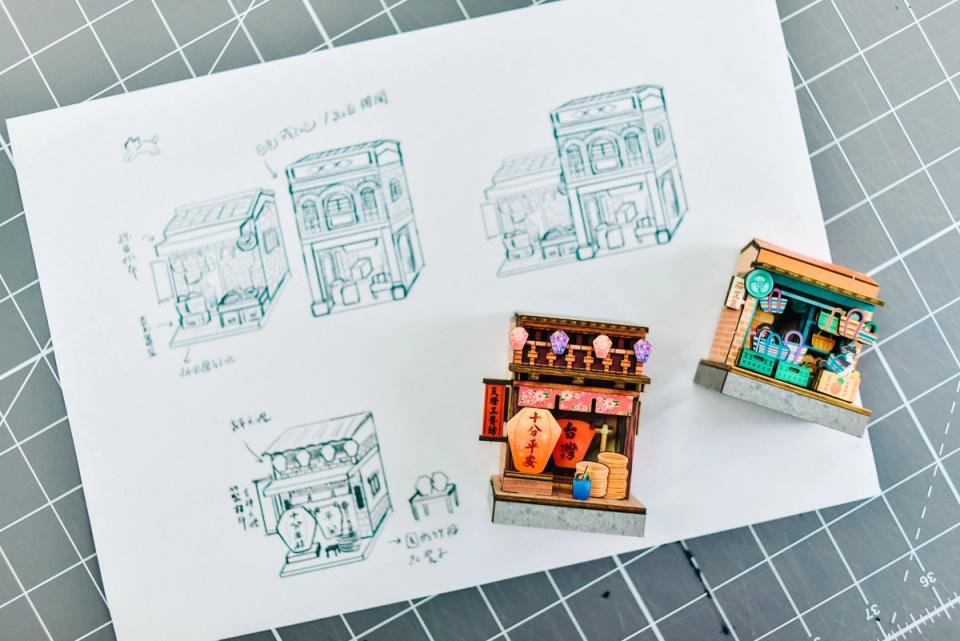
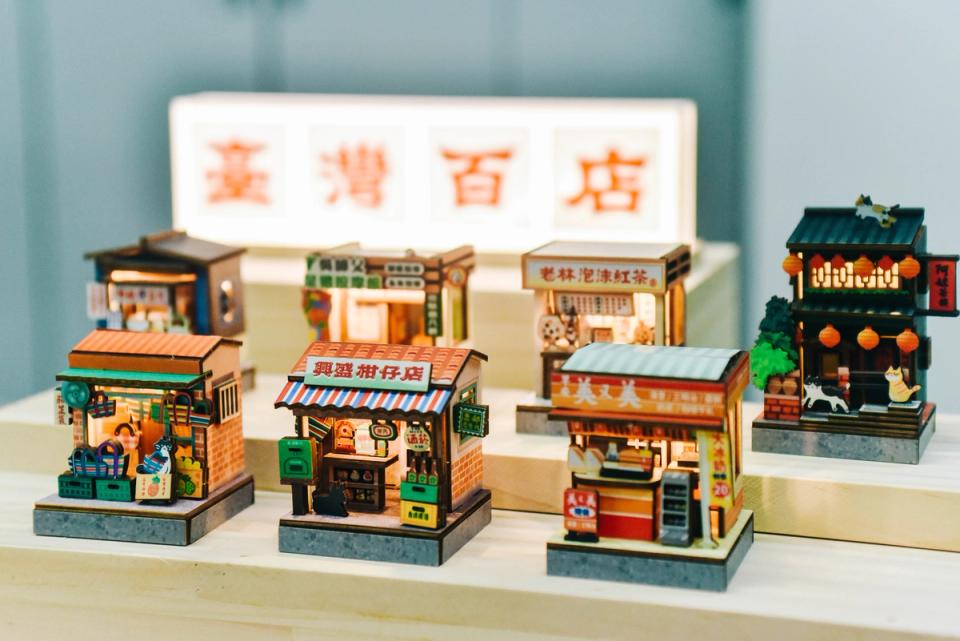
On this journey into Gulliver’s world, Wan-Yi works like an archaeologist, conducting field research and poring over books in her determination to create scenes faithful to the texture of Taiwanese life. She now plans to expand from night-market food carts into a new project, Taiwan’s Hundred Shops, recreating nostalgic streetscapes. Wan-Zhen, meanwhile, has rediscovered a long-dormant love of miniature crafts. “In junior high, I loved making things by hand. I would turn bottle caps into tiny cakes and sell them to my classmates. When I went home and searched through my cupboards, I found that I had kept a lot of dollhouse materials. The excitement came rushing back as I sorted through them. Perhaps handmade work is a direction I can pursue in the future.”
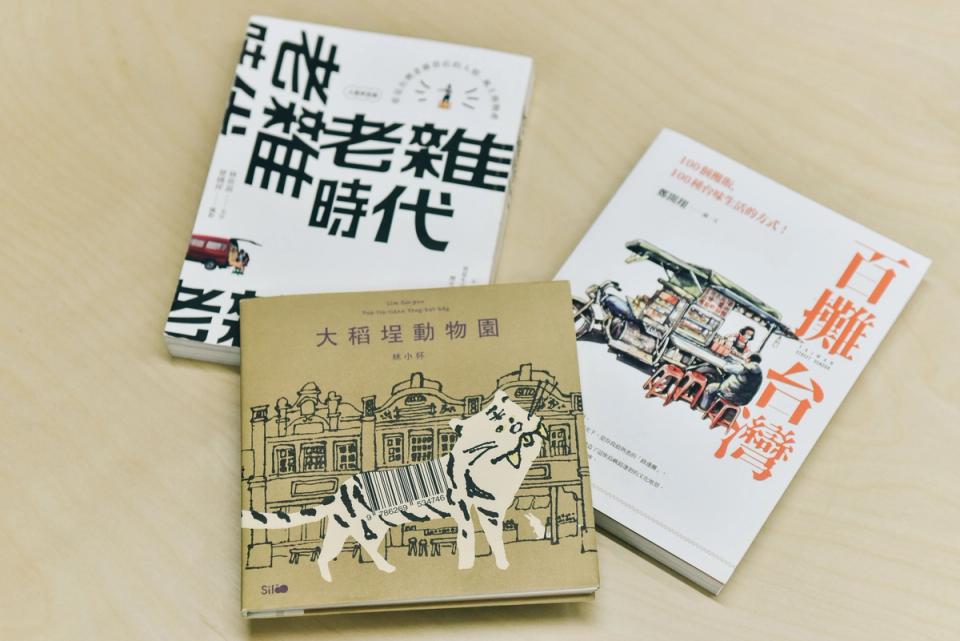
Toward the end of our conversation, CEO Yin-Mei Lin reflects on the play-economy trend. “A trend is a current you do not have to chase. It simply sweeps you up.” Many young people today, for example, have fallen in love with the music of Bobby Chen and Wu Bai, perhaps because their parents played it when they were very small. As Y2K nostalgia has returned, virtual pets have also reemerged as fashionable toys. She believes that everyone carries an innate longing for a remembered golden age. Some childhood experiences are merely forgotten for a while; when we encounter them again as adults, we want to explore them anew.
A veteran member of Monkey Design, Yin-Mei Lin offers one more hidden detail: in the brand’s early days in 2013, it produced a number of miniature products. “Perhaps the seed of miniatures was planted in the brand’s DNA from the very beginning.” A series of paper-model postcards depicting Taiwanese architecture is still sold on the official website today. Back then, she and the owner traveled across the island with a camera, photographing every building from the front, sides, and rear, and recording its materials. They even consulted overhead structural plans, all to make the reduced models as faithful as possible.
One remark from Wan-Yi during the interview captures the philosophy perfectly: “Not a single object ends up in there without a reason!” That inherited streak of beautiful obsession is what allows the team to create, again and again, miniature products rich in detail and emotional resonance. Still unsure why tiny things are so satisfying? Build a DIY Taiwanese popcorn chicken cart magnet and you will understand. But Wan-Zhen has one special warning: assemble it at midnight, and your stomach may start to growl.
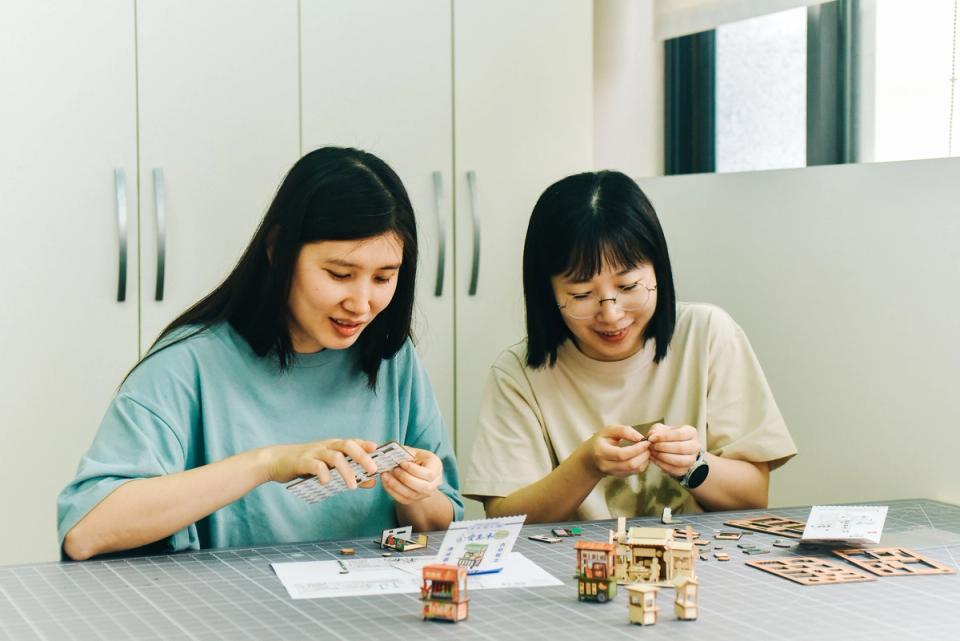
Bonus: Two Designers Share Their Favorite Miniature Toys
01 Wan-Yi’s Paper-Model Wonderland
Designing miniature products introduced Wan-Yi to a host of intriguing paper-model brands. The model in the center, for example, comes from Sankei, a celebrated Japanese papercraft company. Its Miniatuart mini kit Tram and Platform recreates a Japanese street-transport scene. She spent an entire day assembling it.
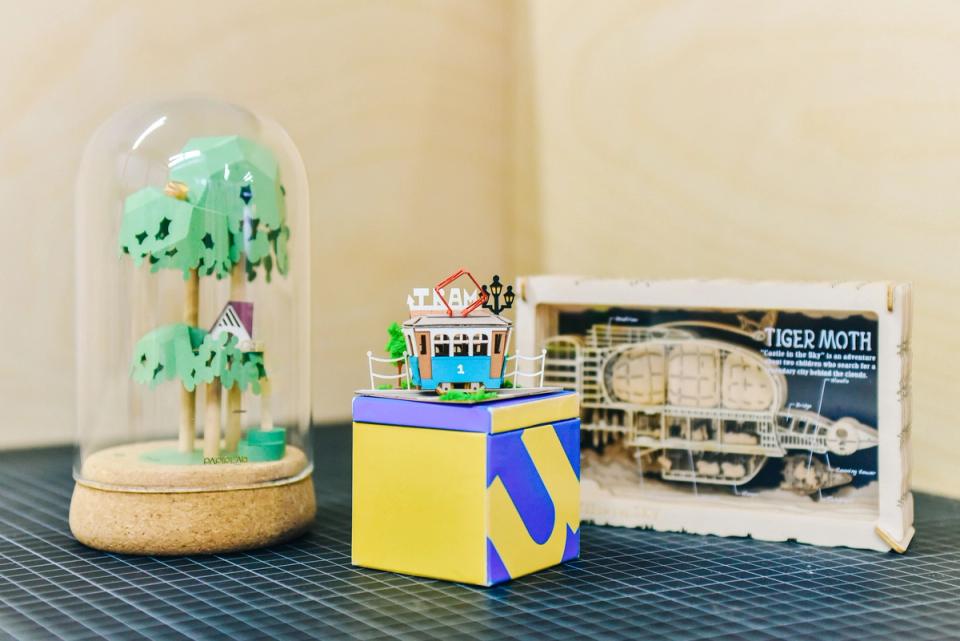
02 Wan-Zhen’s Curious Universe
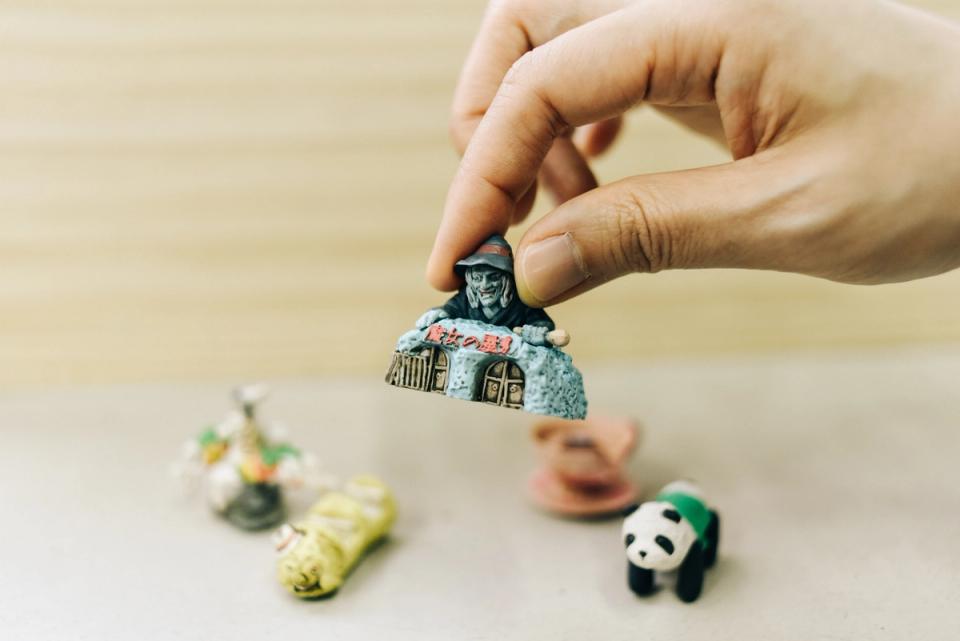
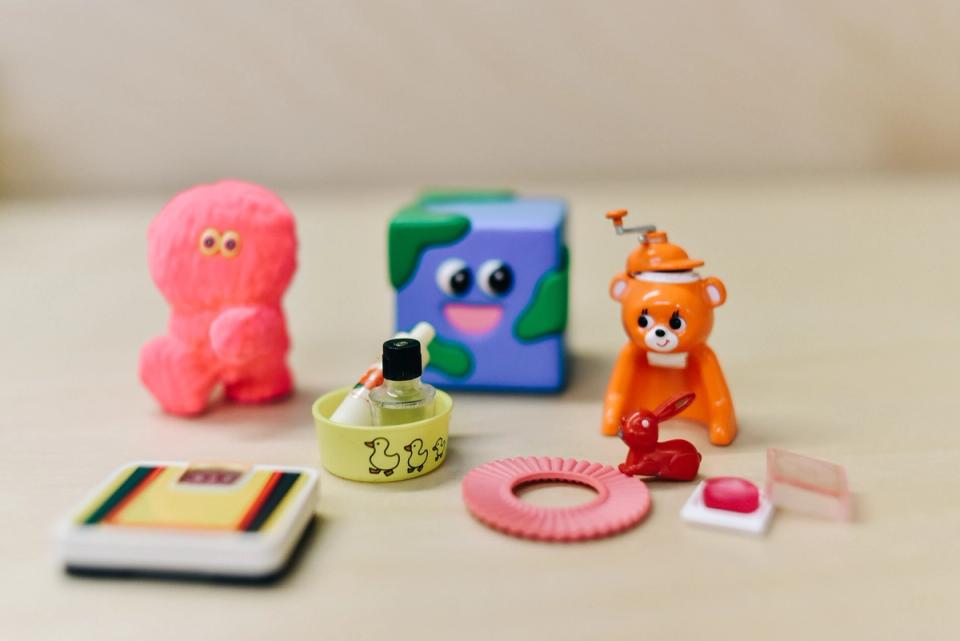
A capsule-toy devotee, Wan-Zhen gravitates toward nostalgic household objects and characters with stories of their own. A “Deserted Amusement Park” capsule toy, eerie and world-weary in equal measure, was what first brought her and Wan-Yi together. Before they became colleagues, the two met to trade figures.